DUI Rules on an ATV in Utah
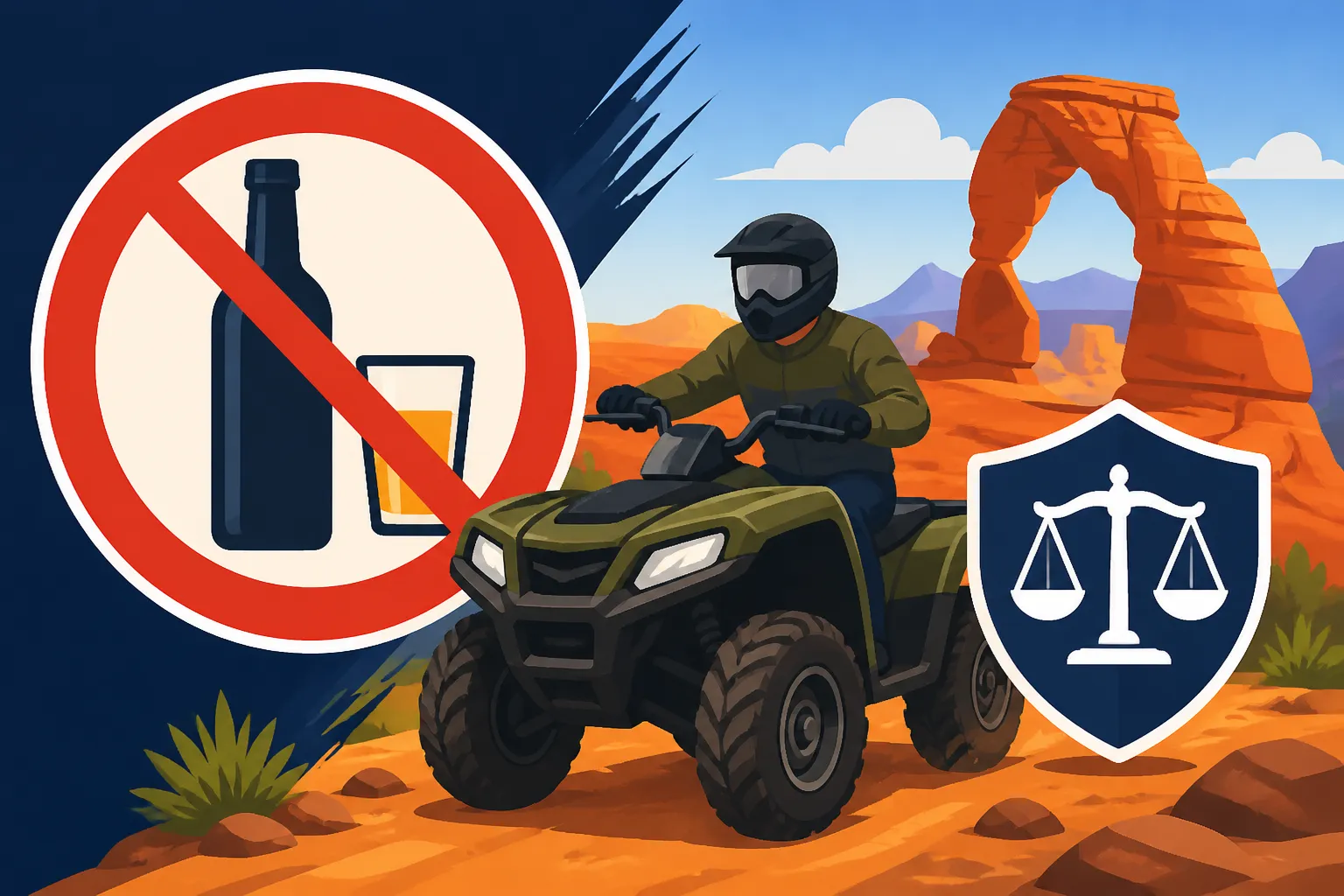
There's nothing quite like hitting the trails in Utah on your ATV or UTV, feeling the open air, and exploring those incredible landscapes. It's a freedom many of us cherish, but that freedom comes with serious responsibilities, especially when it comes to alcohol and impaired driving. Many riders mistakenly believe that because they're off-road, the rules are different, or less strict. Let me tell you, that's a dangerous misconception that can lead to devastating consequences. This guide is here to lay out exactly what Utah's DUI laws mean for OHV operators, the severe penalties you could face, and why responsible riding is always the only path.
Understanding Utah's DUI Laws and OHVs
It's easy to think of a "DUI" as something that only applies to cars on paved roads. But in Utah, the law is clear: operating an off-highway vehicle (OHV) while impaired is just as illegal and carries just as serious, if not more serious, consequences as driving a car under the influence. Law enforcement officers, whether they're local police, county sheriffs, or even Forest Service rangers, have the authority to enforce these laws on trails, dirt roads, and even within designated riding areas.
What Constitutes Driving Under the Influence in Utah?
In Utah, "Driving Under the Influence" (DUI) means you are operating a motor vehicle (and yes, that includes your ATV or UTV) with a blood alcohol concentration (BAC) of a certain percentage or higher. The state also has a "not safe to operate" standard, meaning even if your BAC is below that percentage, you can still be charged if your ability to operate the vehicle safely is impaired "to a degree that renders the operator incapable of safely operating a vehicle." This is crucial for OHV riders because the nature of off-road riding often demands even greater concentration, balance, and quick reflexes than driving a car. Uneven terrain, sudden obstacles, and changing conditions can quickly become deadly when your judgment is clouded, even slightly.
Imagine you're out with friends, enjoying a beautiful day near Sand Hollow. You have a couple of beers back at the campsite, then decide to do one more loop before packing up. Even if you feel mostly fine, that alcohol could be enough to slow your reaction time just enough to miss a dip in the trail, misjudge a turn, or fail to respond quickly to another rider. It's not just about hitting a specific number on a breathalyzer; it's about whether you're truly in full control. The law is designed to protect everyone on the trail, including you and your passengers.
The "Operating" Aspect of an OHV DUI
Another common misconception is that you have to be actively driving, with the engine running and the machine in motion, to be charged with an OHV DUI. Unfortunately, that's not always the case in Utah. The law often refers to "operating" or being in "actual physical control" of the vehicle. This means that if you are in or on your OHV, have the keys, and have the potential to start and move the machine, you could be considered to be "operating" it, even if the engine is off or you're just sitting parked.
Think about a scenario where you've had a few too many at a trailhead party. You decide to "sleep it off" in your UTV because it's more comfortable than a tent. You get in, put the keys in the ignition (maybe even just to listen to the radio or charge your phone), and fall asleep. If a law enforcement officer comes across you, sees signs of impairment, and determines you were in a position to operate the vehicle, you could still be arrested for DUI. This "actual physical control" rule is designed to prevent impaired individuals from making the decision to drive at all. It's a really important distinction, and it means that planning ahead for transportation and responsible consumption is vital before you even think about getting near your machine. It's a lot easier to prevent a problem than to deal with the fallout.
Penalties for an OHV DUI in Utah
The penalties for an OHV DUI in Utah are anything but minor. They are designed to be a significant deterrent, reflecting the seriousness of the offense and the potential danger to yourself and others. These aren't just slaps on the wrist; they can drastically alter your life for years to come, impacting everything from your finances to your freedom.
First Offense: What to Expect
Even a first-time OHV DUI offense in Utah comes with a laundry list of severe consequences. You're looking at significant fines, which can quickly add up with court costs and surcharges. Beyond that, mandatory jail time is often part of the picture, even for a first offense. This isn't just a night in a holding cell; it could mean several days or more, depending on the circumstances. Your driver's license (yes, your car license, not just your OHV privileges) will be suspended for a substantial period, often six months or longer. Imagine not being able to drive your personal vehicle, let alone your UTV, for half a year or more.
On top of all this, you'll likely be required to install an ignition interlock device on any vehicles you operate, which means you have to blow into a breathalyzer before your car will start. This device is costly to install and maintain, adding another layer to the financial burden. You'll also be mandated to complete substance abuse treatment and education programs, which take time, effort, and more money. These programs are often extensive and designed to address the underlying issues of impaired driving. The process of getting your OHV registration squared away after such an event can also be complicated, impacting your ability to enjoy the trails even after your license is reinstated. You can learn more about the specifics of getting back on the trail by checking out [Renewing Your Utah OHV Registration].
Repeat Offenses and Aggravated Charges
If a first offense is severe, repeat offenses are truly devastating. Utah law dictates escalating penalties for subsequent DUI convictions. A second offense within a certain timeframe will result in even higher fines, longer jail sentences, and an extended driver's license suspension. You could be looking at a year or more of license suspension, and the ignition interlock device requirement will be extended. The substance abuse treatment programs will also become more intensive and prolonged.
A third or subsequent DUI offense can be charged as a felony, which carries state prison time, massive fines, and a multi-year license suspension, potentially even a permanent loss of driving privileges. Beyond repeat offenses, certain circumstances can "aggravate" a DUI charge, making the penalties even harsher. This includes having a minor child as a passenger on your OHV, causing an accident that results in injury or death, or having an extremely high BAC. In cases where serious bodily injury or death occurs, you could be facing vehicular homicide or assault charges, which are incredibly serious felony offenses with life-altering prison sentences. The idea that "it's just an OHV" or "it's just a trail" won't stand up in court when someone is severely hurt or killed due to impaired operation.
Beyond the Criminal Charges: Other Consequences
The legal and financial penalties for an OHV DUI are certainly daunting, but they are just one piece of the puzzle. The ripple effect of such a charge can extend far into your personal and professional life, creating obstacles and hardships you might not immediately consider. These are the "hidden" costs that many people don't fully grasp until it's too late.
Impact on Your Driving Privileges
This is a point that often catches people off guard: an OHV DUI conviction in Utah doesn't just impact your ability to ride your quad or side-by-side. It affects your regular state-issued driver's license – the one you use to drive your car to work, take your kids to school, or pick up groceries. The state considers an OHV DUI just like any other DUI, and the driver's license division will suspend your standard driving privileges. This means you won't be able to drive any motor vehicle legally for the duration of your suspension.
Imagine needing to rely on friends, family, or public transportation for months on end. This loss of independence can be incredibly frustrating and inconvenient. It can also complicate matters if you own multiple machines or vehicles, as the suspension applies universally. Even if you've done everything right with your [How to Register an ATV or UTV in Utah] and keep up with your [Utah OHV Registration Fees, Start to Finish], a DUI can bring it all to a screeching halt.
Insurance, Employment, and Reputation
An OHV DUI will significantly impact your insurance rates. Car insurance companies view a DUI conviction as a major risk factor, and your premiums will almost certainly skyrocket, potentially doubling or tripling for years. Some insurance companies may even drop you, making it difficult to find coverage elsewhere, especially if you have a [Street-Legal Insurance Cost for a UTV] policy. This isn't just an inconvenience; it's a massive financial drain that lasts long after your fines are paid.
Beyond insurance, a DUI conviction can severely damage your employment prospects. Many employers conduct background checks, and a DUI on your record can be a major red flag, especially for jobs requiring driving, operating heavy machinery, or positions of trust. Even if you retain your current job, promotions or new opportunities might become elusive. The stigma associated with a DUI can also impact your personal reputation within your community and riding circles. People tend to remember such incidents, and it can be hard to regain trust. It's a stain that's hard to remove and can follow you for a very long time.
Prevention and Responsible Riding
The best way to deal with an OHV DUI is to avoid it entirely. Responsible riding isn't just about following trail etiquette; it's about making smart choices that prioritize safety for yourself, your passengers, and everyone else enjoying Utah's incredible outdoors. Companies like SuperATV offer a range of products to enhance safety, from durable roll cages to advanced lighting, but no accessory can compensate for impaired judgment.
Designated Drivers and Safe Alternatives
The concept of a designated driver isn't just for a night out on the town; it applies equally, if not more so, to OHV outings. If you plan on consuming alcohol, even in moderation, designate a sober driver who will be responsible for operating the OHV. This person should abstain from all intoxicating substances. Alternatively, consider making your OHV trips entirely alcohol-free. There are so many fantastic aspects of off-roading in Utah – the scenery, the challenge, the camaraderie – that alcohol simply isn't necessary to enhance the experience.
If your group does decide to have alcoholic beverages at camp, ensure that no one who has consumed alcohol gets behind the controls of an OHV. This might mean having a strict "no riding after drinking" rule for everyone, or simply waiting until the next day after everyone is completely sober. Don't be pressured by friends, and don't pressure others. Your life, and their lives, could literally depend on it.
Understanding Prescription and Over-the-Counter Medications
It's crucial to remember that "impaired driving" isn't limited to alcohol or illegal drugs. Many prescription medications, and even some over-the-counter drugs, can cause drowsiness, dizziness, impaired judgment, or slow reaction times. These effects can be just as dangerous as alcohol when you're operating an OHV on challenging terrain. Always read warning labels on any medication you take and consult with your doctor or pharmacist about how it might affect your ability to drive or operate machinery.
If a medication advises against driving, that advice absolutely extends to operating an ATV or UTV. Be honest with yourself about how you feel. If you're feeling sluggish, disoriented, or just "off," it's not worth the risk. Park the machine, and enjoy the scenery from a different vantage point. Your health and safety are paramount, and making responsible choices about what you put into your body, and how that affects your ability to operate your machine, is a key part of being a veteran rider.
Here's a quick overview of how DUI offenses generally escalate in Utah:
| Offense Level | General Consequences | Fines (Approximate Shape) | Jail Time (Typical) | License Suspension (Minimum) | Ignition Interlock | Substance Abuse Program |
|---|---|---|---|---|---|---|
| 1st Offense | Misdemeanor | Substantial | 2 days – 6 months | 120 days | Required | Mandatory |
| 2nd Offense | Misdemeanor (within 10 years of prior) | Significantly Higher | 10 days – 1 year | 2 years | Required | Mandatory & Intensive |
| 3rd+ Offense | Felony (within 10 years of 2 prior convictions) | Extremely High | 62 days – 5 years (prison) | 2 years + longer periods | Required | Mandatory & Intensive |
| Aggravated | Misdemeanor or Felony (e.g., child passenger, injury) | Higher, depending on severity | Increased, depending on severity | Increased, depending on severity | Required | Mandatory & Intensive |
Note: These are general guidelines. Specific penalties vary based on circumstances, judge's discretion, and current laws. Always consult legal counsel for personalized advice.
Disclaimer
This article is for general informational purposes only and does not constitute professional advice. Laws, prices and regulations vary by location and change over time. Consult a qualified professional for guidance on your specific situation.