Street Rules in Utah’s San Juan County
It's incredibly frustrating when you've gone through all the trouble of making your ATV or UTV street legal in Utah, only to find out that local rules in a specific county might throw a wrench in your plans. You think you're good to go, ready to explore the stunning landscapes of San Juan County by road, and then you hear whispers of different rules or limitations. This guide is here to untangle those complexities and help you understand the specific street rules that apply to off-highway vehicles (OHVs) in San Juan County, Utah, so you can ride with confidence and clarity.
The Foundation: Utah's Statewide Street-Legal Framework
Before we dive into the nitty-gritty of San Juan County, it's crucial to understand the overarching framework that makes ATVs and UTVs street legal anywhere in Utah. The state of Utah has established a clear path for converting your off-road machine into a road-worthy vehicle, allowing riders to connect trails, access services, and explore scenic byways right from their campsites or rental homes. This state-level recognition is a huge benefit for riders, opening up vast areas for exploration that would otherwise be inaccessible without trailering.
The Initial Steps for State Compliance
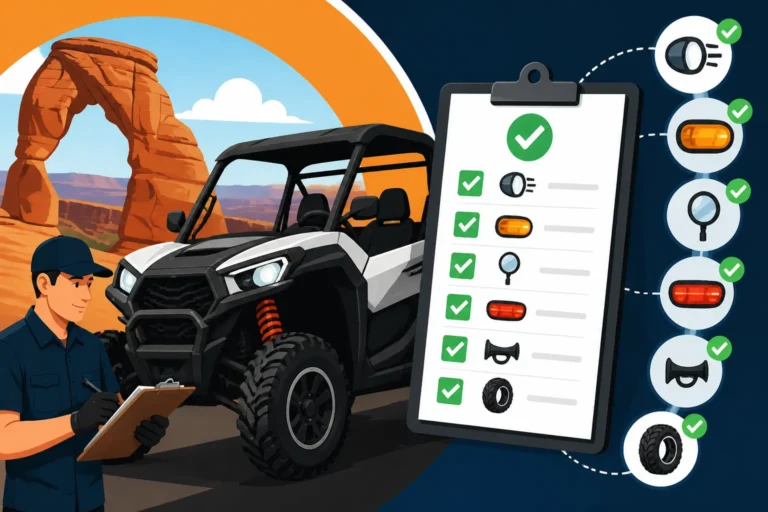
The journey to street legality begins with ensuring your OHV meets a comprehensive list of equipment requirements set by the state. This isn't just about slapping a license plate on your machine; it's about making sure it's safe and visible for road use alongside regular traffic. Think about things like headlights, tail lights, brake lights, turn signals, mirrors, a horn, and a windshield or eye protection. All these components are essential for passing the initial safety inspection. Once your machine passes, you get a special street-legal registration and a license plate, signifying that your OHV can legally operate on most public roads in Utah where it's not explicitly prohibited. This means you can drive it to the trailhead, grab some lunch in town, or simply enjoy a scenic drive on paved roads. For a deeper dive into these requirements, check out [Utah Street-Legal ATV Equipment Requirements].
What State Street-Legal Status Entails
Having a street-legal OHV registration in Utah opens up a lot of doors. It means you can generally ride on any public road with a posted speed limit of 50 mph or less. This covers the vast majority of county roads, city streets, and many state highways, making it incredibly convenient for touring the state. However, there are exceptions. Interstates, freeways, and certain other high-speed or restricted roadways are typically off-limits. Furthermore, individual municipalities and counties retain the authority to impose additional restrictions or designate specific roads as off-limits to OHVs, even if they are street legal. This is where the local rules come into play, and understanding these nuances is key to a hassle-free ride, especially in a diverse area like San Juan County.
San Juan County's Authority Over Local Road Use
While Utah provides the general framework, counties like San Juan have the power to fine-tune road use regulations within their borders. This local control often stems from concerns about safety, noise, dust, or simply managing traffic flow in specific areas. It’s why you can't just assume every street-legal machine has carte blanche on every road everywhere, even within the same state. San Juan County, with its unique blend of vast open spaces, small towns, and popular tourist destinations, has its own set of considerations when it comes to OHV access on public roads.
Understanding County Ordinances and Their Impact
San Juan County, like any county in Utah, can enact ordinances that either restrict or expand OHV access on county-maintained roads. These local laws are often designed to address specific local conditions, such as the proximity of residential areas, the type of road surface (paved vs. dirt/gravel county roads), or high-traffic zones during peak tourist seasons. For example, a county might designate certain roads within city limits as off-limits to OHVs, even if the state's 50 mph rule would otherwise permit access. It’s not about undermining state law, but rather about adding another layer of regulation that you, as a rider, need to be aware of. The best practice is always to look for signage and check local county resources, such as the San Juan County government website or local sheriff's office, for the most up-to-date information.
Specifics Within San Juan County
San Juan County covers a huge area in southeastern Utah, encompassing diverse landscapes from the red rock canyons near Blanding and Monticello to the mountainous areas near the La Sal Mountains. The county is also home to significant cultural and historical sites. Given this diversity, it's reasonable to expect that road rules might vary depending on where you are. For instance, main thoroughfares in larger towns like Blanding or Monticello might have different restrictions compared to the hundreds of miles of remote dirt and gravel county roads that crisscross the backcountry.
When riding in San Juan County, pay close attention to signs. Most restrictions will be clearly posted at entry points to towns or specific road segments. For example, some towns might have specific speed limits for OHVs or restrict their use to designated routes through town. While the county generally embraces OHV tourism due to its economic benefits, safety and community well-being remain paramount. [City and County OHV Rules Across Utah] can give you a broader context of how various local jurisdictions approach this, but always prioritize direct information from San Juan County itself.
Essential Equipment for Riding in San Juan County
Beyond just "street legal," having the right equipment ensures your safety and compliance, no matter which roads you're on in San Juan County. This isn't just about avoiding a ticket; it's about making sure your machine is clearly visible and controllable, especially when sharing the road with cars, trucks, and even farm equipment on those rural roads. Many riders choose aftermarket parts to ensure their machines are fully compliant and ready for any road.
Mandatory Street-Legal Components
To be considered street legal in Utah, your OHV must be outfitted with specific safety equipment. This list is universal across the state, including San Juan County. It includes:
- Headlights: At least one, but two are common, and they must be white.
- Taillights: At least one red taillight, visible from 500 feet to the rear.
- Brake Lights: Red, activating when the brakes are applied.
- Turn Signals: Both front and rear, amber or red, clearly visible. Many riders turn to reliable aftermarket brands like SuperATV for durable and easy-to-install turn signal kits that integrate seamlessly with various UTV models.
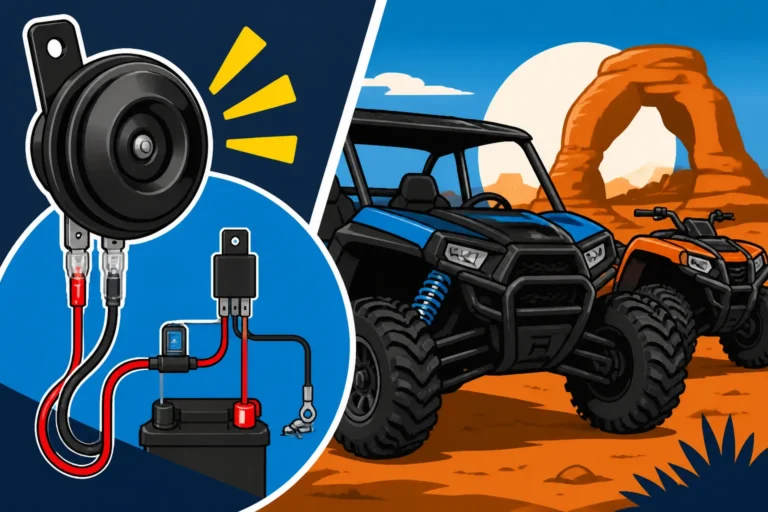
- Horn: An audible warning device, functional and capable of being heard.
- Mirrors: At least one rearview mirror, but two (one on each side) are highly recommended for better visibility on public roads. SuperATV offers a wide range of mirrors, from side-view to rear-view, designed to withstand the rigors of off-road and on-road use.
- Windshield or Eye Protection: You must have a windshield, or if not, the operator and all passengers must wear eye protection (like goggles or glasses).
- License Plate Light: To illuminate your license plate at night, making it visible from 50 feet.
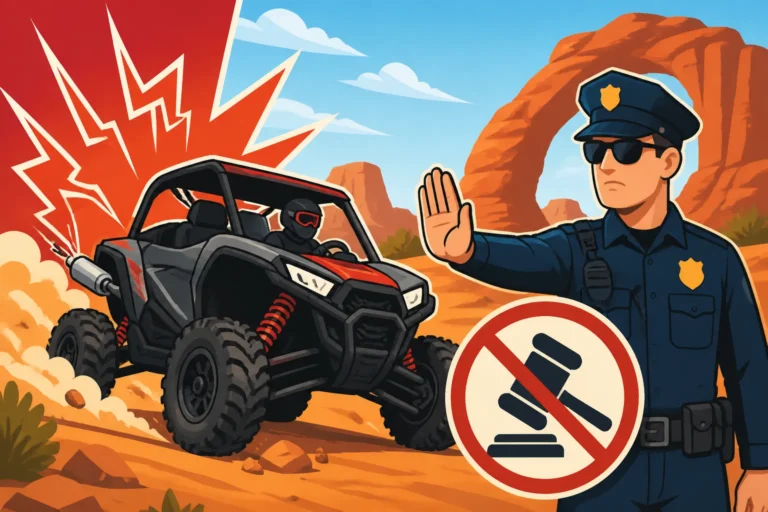
- Muffler and Spark Arrestor: While critical for off-road use, street-legal machines must also meet noise limits. Many high-quality aftermarket mufflers are designed to be quieter than stock while still meeting performance needs.
Failing to have any of these components can result in a citation, even if you're otherwise registered. It's a good idea to periodically check all your lights and signals, especially before a big trip to San Juan County.
Beyond the Minimum: Smart Additions for San Juan Riding
While the state mandates the basics, smart riders often add extra equipment for safety and convenience, especially when exploring the remote areas of San Juan County. Consider things like a robust GPS unit with downloaded maps, as cell service can be spotty in the backcountry. A good set of tires that handle both dirt and pavement well is also crucial, especially if you plan to transition frequently between county roads and unpaved trails.
Another often-overlooked item is proper storage for essentials like water, tools, and a first-aid kit. Given the vastness and remoteness of many San Juan County roads, being self-sufficient is paramount. Even if you're mostly sticking to paved routes through town, you never know when you might need to quickly access a repair kit or first aid. Brands like SuperATV provide a variety of cargo boxes and storage solutions that can be easily installed on most UTVs, making it simple to carry everything you need for a safe and enjoyable journey.
| Requirement | State of Utah General Rule | San Juan County Specifics (Check Local Ordinances) |
|---|---|---|
| Speed Limit | Generally 50 mph or less on paved roads | May have lower limits in specific town zones or residential areas |
| Required Equipment | Headlights, Tail Lights, Brake Lights, Turn Signals, Horn, Mirrors, Windshield/Eye Protection, License Plate Light | Same as state, no additional equipment usually required |
| Road Types | Most paved roads, unpaved county roads, some state highways | Certain city streets or specific routes may be restricted within municipalities |
| Designated Routes | No specific state-mandated routes for street-legal OHVs | Local towns might have designated OHV routes to access trails or services |
| Hours of Operation | Generally 24/7, subject to noise ordinances | May have evening/night curfews in quiet residential areas |
| Insurance | Required for street-legal operation | Same as state |
| License Plate/Decal | Required and visible | Same as state |
Practical Considerations and Rider Responsibilities in San Juan County
Riding a street-legal OHV in San Juan County offers incredible freedom, but it comes with significant responsibilities. Beyond simply adhering to the law, it's about being a courteous, safe, and environmentally conscious rider. The experiences you have, and the welcome you receive, will largely depend on how you conduct yourself on the roads and trails.
Respecting Speed Limits and Traffic Laws
This might sound obvious, but it's where many riders get into trouble. Just because your UTV can hit higher speeds, doesn't mean you should on a county road with a 35 mph limit, especially through a small town. Treat your street-legal OHV exactly like any other vehicle on the road. Obey all posted speed limits, stop signs, traffic signals, and yield signs. Signal your turns, and stay in your lane. Many county roads in San Juan County, while seemingly quiet, can still have unexpected traffic, including slow-moving farm vehicles, delivery trucks, or other residents. An OHV might handle differently than a car, so give yourself extra braking distance and always drive defensively. Remember, a street-legal OHV is subject to all the same traffic laws as a car. For more details on this, see [Utah Traffic Rules for Street-Legal Side-by-Sides].
Minimizing Noise and Dust Impacts
One of the most common complaints about OHVs in residential or sensitive areas is noise and dust. San Juan County has numerous small communities and homes scattered along county roads. Excessive noise, especially in the early mornings or late evenings, can quickly lead to local resentment and push for tighter restrictions. Ensure your muffler system is in good working order and meets legal noise limits. When driving on unpaved county roads, especially near homes, slow down to minimize dust clouds. A little courtesy goes a long way in ensuring a positive relationship between riders and residents, protecting your access to these incredible areas.
Being Prepared for Varying Road Conditions
San Juan County's roads can range from perfectly paved state highways to well-maintained gravel county roads, and sometimes even less-maintained dirt roads that might transition into designated trails. Be prepared for these varying conditions. Your tires, suspension, and driving style will all need to adapt. On dirt and gravel, watch out for washboards, loose rock, and blind corners. Always assume there might be oncoming traffic, even if the road seems empty. And always carry essential tools, a spare tire (if applicable), and a way to communicate in case of a breakdown or emergency, especially when venturing further from populated areas.
Navigating Potential Conflicts or Ambiguities
Even with all the rules in place, there can sometimes be moments of confusion or situations that aren't perfectly clear. This is particularly true when dealing with an OHV that straddles the line between a recreational vehicle and a street-legal mode of transport. Understanding how to handle these moments can save you a lot of hassle and ensure your ride continues smoothly.
What to Do If You Encounter a Closed Road or Restriction
Occasionally, you might find a road that you thought was open to street-legal OHVs suddenly closed, or encounter signage that seems to contradict what you understood. These closures or restrictions can be temporary (due to construction, weather, or an event) or permanent (a new local ordinance). The most important thing is to always obey posted signs. Even if you believe the sign is incorrect, challenging it on the spot with a local official is not the way to go. Make a note of the location, the specific signage, and if possible, contact the San Juan County Sheriff's Office or the county road department later to clarify. It's far better to turn around and find an alternative route than to risk a fine or impoundment. [The Fine for an Expired OHV Registration in Utah] provides a sobering reminder of penalties for non-compliance, which can extend to other violations.
Interactions with Law Enforcement
If you are pulled over by law enforcement in San Juan County, the procedure is largely the same as if you were driving a car. Remain calm, pull over safely, and follow the officer's instructions. Have your driver's license, vehicle registration, and proof of insurance readily available. Be prepared to explain that your OHV is street legal and show them the necessary documentation. Most officers are familiar with street-legal OHVs, but if there's any confusion, politely explain the state regulations. Having a clear understanding of [What Paperwork Utah Riders Must Carry] will ensure you're always prepared.
Remember that an officer is within their rights to check your equipment. This means ensuring your lights, horn, and mirrors are all functional and compliant. A quick check of your license plate and registration sticker is also standard. Being polite and cooperative will almost always lead to a more positive outcome.
Safety and Etiquette Unique to San Juan County
San Juan County offers some of the most spectacular riding in Utah, from slickrock to high mountain passes. With this diverse terrain comes a need for heightened awareness and specific etiquette to ensure everyone has a safe and enjoyable experience, both on and off the designated OHV trails.
Riding Through Small Towns and Communities
San Juan County is dotted with charming, often quiet, rural communities like Blanding, Monticello, Bluff, and Mexican Hat. When you're riding your street-legal OHV through these towns, it's essential to be a good neighbor. Slow down, keep noise to a minimum, and wave to locals. Many of these towns rely on tourism, including OHV riders, but their residents also value their peace and quiet. Taking the time to show respect will ensure that these communities remain welcoming to riders for years to come. Avoid riding through private property, even if it seems like a shortcut, and stick to designated roads.
Environmental Stewardship in a Sensitive Landscape
San Juan County is home to incredible natural beauty, including parts of Canyonlands National Park, Bears Ears National Monument, and vast tracts of public lands managed by the BLM and Forest Service. While street-legal OHVs allow you to access roads to these areas, remember that strict rules often apply within them. Stay on marked roads and trails, avoid disturbing wildlife, and pack out everything you pack in. The unique desert ecosystem is fragile and easily damaged. Your street-legal status allows for road travel, but it doesn't grant permission for off-road excursions into sensitive areas unless on specifically marked trails. Knowing [Where Utah's OHV Registration Money Goes] might help you appreciate the efforts in preserving these lands.
Preparing for Remote Riding and Emergencies
Many county roads in San Juan County venture into extremely remote and desolate areas. Cell service can be non-existent for long stretches. If you plan on using street-legal roads to connect to backcountry trails or simply explore the vastness, preparedness is paramount. Always tell someone your route and estimated return time. Carry extra water, food, a first-aid kit, and an emergency communication device like a satellite messenger. Ensure your fuel tank is full, as gas stations can be few and far between. Even on paved roads, a breakdown in a remote area can quickly become serious without proper planning. Always check weather forecasts, as sudden storms can turn dirt roads into impassable mud or create flash flood dangers in washes.
Disclaimer
This article is for general informational purposes only and does not constitute professional advice. Laws, prices and regulations vary by location and change over time. Consult a qualified professional for guidance on your specific situation.