Selling a UTV With a Loan Still on It
Selling a UTV that still has a loan attached to it can feel like trying to untangle a particularly stubborn knot. You've got a fantastic machine you're ready to part with, but the bank still has a claim on it, which adds a layer of complexity to the usual selling process. This guide is here to walk you through exactly how to navigate selling your side-by-side in Utah when there's an outstanding loan, ensuring you understand the steps to protect yourself and make the transaction smooth for both you and the buyer.
Understanding Your Loan and the Utah Title
When you buy a UTV and finance it, your lender (whether it's a bank, credit union, or other financial institution) typically places a lien on the vehicle's title. This means they legally have an interest in your UTV until the loan is fully paid off. It's a common practice designed to protect their investment.
How the Lien Works in Utah
In Utah, when you finance an off-highway vehicle (OHV) like a UTV, the lender's name is recorded on the vehicle's certificate of title. Sometimes, the physical title itself is held by the lender until the loan is satisfied. This is a critical detail because, unlike a UTV you own free and clear, you don't actually possess the "clean" title outright. The state views the lender as having a primary claim or a security interest in your UTV. This means that even though you're making the payments and riding the machine, you can't legally transfer full ownership to a new buyer until that lien is removed.
Think of it like this: the title is the deed to your UTV, and the lien is a big, official stamp on that deed saying, "Hold on, the bank still has a say here." A buyer wants that deed completely clear, without any lingering claims from your lender. Without a clear title, they can't register the UTV in their name, and they certainly don't want to inherit your financial obligation. This initial understanding is key to preparing for the sale.
Why Selling with a Lien Makes Things Tricky
The primary challenge in selling a UTV with a loan is the expectation of the buyer. Most buyers, especially private ones, will expect a clear title at the time of sale. They want to leave with the UTV and the ability to immediately transfer ownership at the DMV without any extra steps or concerns about your past loan. The presence of a lien on the title complicates this because you don't have that "clean" title to hand over directly.
This creates a hurdle of trust and logistics. The buyer needs assurance that once they pay you, the lien will be removed, and they will receive a valid, transferrable title. You, as the seller, need to ensure that the loan is paid off promptly with the buyer's funds, and that you receive the lien release from your lender, which can sometimes take a bit of time. Missteps in this process can lead to headaches for both parties, from delayed title transfers to concerns about fraud. It requires careful planning and communication to ensure everyone is comfortable with the transaction. You can learn more about [Selling an ATV in Utah: Title and Bill of Sale] to help prepare.
Options for Selling a UTV with a Loan
You've got a few paths you can take when selling a UTV that still has a loan. Each has its own nuances and considerations, especially when dealing with the title and payoff process.
Paying Off the Loan Before Selling
This is often the cleanest and most straightforward option, though it's not always feasible for everyone. If you have the available funds, paying off the remaining balance on your UTV loan before you even list it for sale simplifies the entire process. Once the loan is paid in full, your lender will send you a lien release and, if they were holding it, the physical clear title.
The big advantage here is that you'll have a completely clear title in hand when you meet a prospective buyer. This eliminates any apprehension the buyer might have about liens or complex payment arrangements. You can simply sign over the title, collect your payment, and complete the sale, just like you would with any other vehicle you own outright. It also allows you to price your UTV without factoring in the immediate need to pay off a loan from the sale proceeds. Always contact your lender to get an exact payoff quote, as this amount can differ slightly from your current balance due to interest accrual.
Selling Directly to a Private Buyer and Paying Off the Loan at Sale
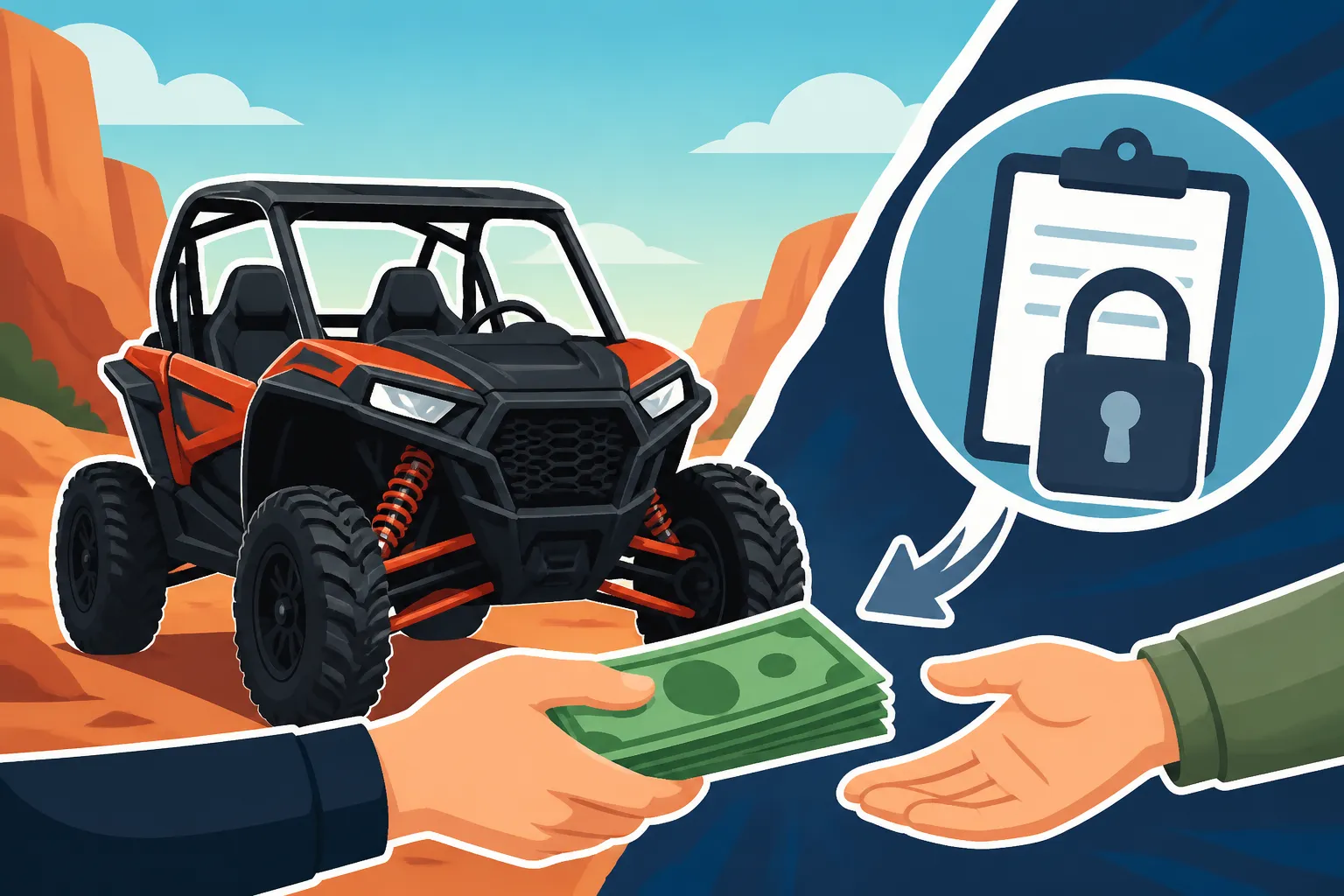
This is a very common scenario but requires careful coordination. In this situation, the buyer provides funds that you then immediately use to pay off your loan. The tricky part is ensuring the buyer feels secure, as they are essentially giving you money for a UTV that doesn't yet have a clear title in your name.
Here's how it often works:
- Get a Payoff Quote: Contact your lender for an exact 10-day payoff amount, including per diem interest.
- Find a Buyer & Agree on Price: Once you have a buyer, you'll negotiate a sale price.
- Coordinate the Transaction: The safest way to do this is to meet at your bank (the one holding the loan). The buyer can provide payment (often a cashier's check or wire transfer made out to you or, even better, directly to your loan account). You then immediately use those funds to pay off the loan.
- Lien Release and Title Transfer: Once the loan is paid, the bank will initiate the lien release. This can take several days or even a couple of weeks to process. Once you receive the official lien release from the lender, you can then proceed to get a clear title from the Utah DMV (if the lender held it) or simply apply for a new title with the lien removed if you had the title with the lien on it. Only then can you legally sign over the clear title to the buyer.
This method requires excellent communication and trust. Make sure your bill of sale, perhaps one you generated through a service like LawDepot, clearly outlines this process, including how and when the lien will be released and the title transferred. The buyer should understand they won't walk away with the final title immediately. For more details on this, see [Signing Over a Utah OHV Title Correctly].
Trading In or Selling to a Dealer
If you're buying a new UTV, trading in your current one to a dealership can be one of the easiest ways to handle an outstanding loan. Dealers are very accustomed to managing liens and payoffs.
When you trade in your UTV, the dealer will:
- Assess Value: Determine the trade-in value of your UTV.
- Get a Payoff Quote: Contact your lender directly to get the exact payoff amount for your loan.
- Handle the Paperwork: They will deduct your loan payoff from the trade-in value or the price of your new purchase. If the trade-in value is less than what you owe, you'll need to pay the difference. If it's more, you'll get that equity toward your new purchase. The dealer then pays off your lender, receives the lien release, and handles all the title work.
Selling your UTV directly to a dealer (without a trade-in) works similarly. They'll appraise your UTV, get a payoff quote, and pay you the difference after settling the loan. This option removes much of the administrative burden from your shoulders, making it a smoother process, albeit potentially yielding a lower sale price than a private sale. You might find some helpful tips in [What a Utah Dealer Hands You at Delivery] for understanding dealer transactions.
| Selling Option | Pros | Cons | Payment Handling | Title Handling |
|---|---|---|---|---|
| Pay Off Loan Before Selling | Simplest process; clear title in hand. | Requires upfront cash. | Buyer pays you directly. | You have the clear title ready to transfer. |
| Private Sale, Pay Off at Sale | Potentially highest sale price. | Requires buyer trust; title transfer is delayed. | Buyer pays you, you pay lender. | Lien release and new title can take time. |
| Trade-In / Sell to Dealer | Dealer handles all lien and title paperwork; convenient. | Often lower sale price than private sale. | Dealer handles payoff directly. | Dealer manages lien release and title transfer. |
The Paperwork Trail
The key to successfully selling a UTV with a loan in Utah lies in meticulously handling the paperwork, especially when it comes to the lien release and title transfer. This is where many transactions can get held up or become confusing if not done correctly.
Getting a Lien Release
The lien release is arguably the most crucial document in this entire process. It's the official statement from your lender confirming that your loan has been paid in full and they no longer have a financial claim on your UTV. Without this document, the Utah Division of Motor Vehicles (DMV) cannot issue a new title in the buyer's name, as the lien would still be noted on the records.
Once you pay off your loan – whether you do it before the sale, at the point of sale with the buyer's funds, or through a dealer – your lender will process the payment and then generate the lien release. This is not always an instantaneous process. It can take anywhere from a few business days to a couple of weeks for the lender to officially release the lien and mail you the necessary document. Be prepared for this potential waiting period and communicate it clearly to your buyer. You can often track this process by calling your lender directly. For more context, consider reading [Lien Releases on a Used Utah Side-by-Side].
Transferring the Utah Title
Once you have that glorious lien release in hand, or if your lender has mailed the clear title directly to you, you're ready for the final step of transferring ownership. This involves signing over the title to your buyer.
The process generally looks like this:
- Retrieve the Title: If your lender held the physical title, they will mail it to you along with the lien release. If you had the title but it showed a lien, the lien release acts as proof that the lien is satisfied.
- Complete the Title: On the back of the Utah Certificate of Title, there will be sections for the seller (you) to sign and print their name, record the odometer reading (if applicable and accurate for OHVs), and list the sale date and sale price.
- Buyer Information: The buyer will also need to sign and print their name in the designated section.
- Bill of Sale: While the title transfer section is vital, always use a separate, detailed bill of sale. This document protects both parties by clearly stating the terms of the sale, the "as-is" condition, the date, price, and a full description of the UTV, including its VIN. A reputable service like
LawDepotcan provide customizable bill of sale templates that ensure all necessary information is included to meet Utah's requirements. This is also important to avoid [Mistakes That Void an ATV Title Transfer]. - Finalize at DMV: The buyer will then take the signed title, the bill of sale, and the lien release (if applicable) to their local Utah DMV office to register the UTV in their name and pay any applicable sales tax and uniform fees.
It's crucial that all information on the title and bill of sale is accurate and legible to prevent any issues at the DMV. Double-check VINs, names, and addresses.
Protecting Yourself as a Seller
Selling a UTV, especially one with a lien, involves financial risk. Taking precautions can help you avoid scams and ensure a smooth, secure transaction.
Secure Payment Methods
When dealing with a private sale, the way you accept payment is paramount to your safety. Avoid personal checks, as they can bounce after you've already handed over the UTV and signed documents. Cash transactions can be risky due to the potential for counterfeit money or safety concerns, especially with large sums.
Your safest options include:
- Cashier's Check: This is a check guaranteed by the bank, drawn on the bank's own funds. However, even cashier's checks can be forged, so it's always best to meet the buyer at their bank and have the check verified by a teller, or better yet, have the check issued directly to your bank account or loan servicer on the spot.
- Wire Transfer: A wire transfer moves funds directly from the buyer's bank account to yours. These are generally irreversible once completed, making them a very secure option. Just be sure to verify with your bank that the funds have cleared before releasing the UTV and signing the title.
- Meeting at Your Bank: As mentioned earlier, meeting at your bank (the one holding the loan) for the transaction is highly recommended. This allows you to immediately deposit the funds, pay off the loan, and have bank personnel available to verify everything.
Never release the UTV or sign the title until you have absolute confirmation that the funds are legitimate and accessible. Understanding [Utah ATV Sales Tax and Uniform Fees] can also help in knowing the total transaction cost for the buyer, which influences payment.
The Importance of a Solid Bill of Sale
A bill of sale isn't just a formality; it's a legally binding document that protects both you and the buyer. When selling a UTV, especially privately, a comprehensive bill of sale should clearly state:
- "As-Is" Condition: Most private UTV sales are "as-is," meaning the buyer accepts the vehicle in its current condition with no warranties from the seller. This should be explicitly stated.
- Buyer and Seller Information: Full legal names, addresses, and contact information for both parties.
- UTV Details: Make, model, year, Vehicle Identification Number (VIN), and odometer reading (if applicable).
- Sale Price and Date: The exact amount paid and the date of the transaction.
- Lien Disclosure (if applicable): If you're paying off the loan at the time of sale, the bill of sale should clearly acknowledge the outstanding lien and the agreed-upon process for its release and subsequent title transfer. This helps manage buyer expectations and documents the agreement.
You can easily find robust and legally sound bill of sale templates through online services like LawDepot. Using a professional template ensures all the critical legal protections are in place and helps prevent disputes down the road. It provides clear documentation of what was sold, for how much, and on what terms. It's an indispensable document you'll both keep for your records. Check out [Bill of Sale Requirements for a Utah ATV Sale] for more specifics.
Finalizing the Deal
Once you've received secure payment and the title is ready to be transferred, there are a few final steps to ensure a clean break.
- Hand Over Documents: Give the buyer the signed-over clear title, the lien release document (if it was a separate piece of paper), and the original signed bill of sale. You should keep a copy of the bill of sale for your records.
- Remove Personal Items: Double-check the UTV for any personal belongings, registration cards, or old decals that might still be on it.
- Cancel Insurance: Once the UTV is no longer in your possession, contact your insurance provider to cancel your policy for that specific machine to avoid unnecessary premiums.
- Notify the DMV (Optional but Recommended): While Utah typically expects the buyer to handle the title transfer, it's a good practice for you to keep your copy of the bill of sale in case any questions arise later regarding ownership or liability. This proves you sold the machine on a specific date.
By following these steps, you can confidently navigate the process of selling a UTV with a loan in Utah, protecting your interests and ensuring a legitimate transaction for everyone involved. For a broader view, remember to look at [What to Give a Buyer When You Sell an ATV].
Disclaimer
This article is for general informational purposes only and does not constitute professional advice. Laws, prices and regulations vary by location and change over time. Consult a qualified professional for guidance on your specific situation.