Moving to Utah With an ATV You Already Own
So, you've decided to make the incredible move to Utah – welcome! But amidst all the excitement of finding your new home, unpacking boxes, and discovering the best local trailheads, you're probably facing a familiar headache: what to do with your trusty ATV or UTV that came along for the ride. Moving a machine from one state to another often feels like navigating a maze of paperwork, and Utah, with its passionate OHV community and extensive trail system, definitely has its own set of rules. This guide is here to cut through the confusion and walk you through every step of getting your out-of-state quad or side-by-side legally titled and registered in your new Beehive State home.
The Utah Welcome Wagon: Your OHV's New Home
Bringing your off-highway vehicle (OHV) to a new state can feel like a bureaucratic hurdle race, but understanding Utah's expectations for new residents will set you up for success. It's not just about getting a new sticker; it's about ensuring you can hit the trails legally and without worry, fully embracing the incredible outdoor opportunities Utah offers.
Understanding Residency and the Timeline
When you move to Utah, the state generally expects you to establish residency within a certain timeframe for various things, including your vehicles. While specific deadlines can sometimes feel a bit vague for OHVs compared to, say, your daily driver, the general spirit is to get your paperwork in order as soon as you reasonably can after becoming a Utah resident. This isn't just about ticking a box; it's about making sure you're compliant and ready to ride without fear of penalties. You wouldn't want to finally get settled in, load up your UTV for a trip to Sand Hollow, and then find yourself explaining to a ranger why your out-of-state plate is still on the machine.
Think of it this way: once you've truly unpacked, changed your driver's license, and maybe even registered your car, your OHV should be next on the list. There isn't a hard-and-fast universal "you must do this by X date" stamped on every OHV law, but the expectation is that a new resident will transition their vehicle registrations. If you're wondering [How Soon New Residents Must Register a UTV], the best advice is to prioritize it as part of your overall moving checklist. Don't wait until the last minute, especially if you plan on riding frequently.
Why Utah's Rules Matter for Out-of-Staters
Utah is renowned for its vast and accessible OHV trail systems, from the red rocks of Moab and Sand Hollow to the high mountain trails of the Paiute. Because of this, the state takes its OHV management seriously. While visitors with out-of-state registrations used to enjoy reciprocity, that changed. Now, even visitors need a non-resident permit. For residents, it's even more straightforward: you need Utah registration and a Utah title. This isn't just a revenue thing; it helps fund trail maintenance, signage, and enforcement, ensuring that these incredible resources remain available for everyone.
Failure to properly register your OHV in Utah once you've become a resident can lead to fines if you're caught riding on public lands with expired or incorrect out-of-state registration. It also means you won't have a valid Utah registration card, which is something [What Paperwork Utah Riders Must Carry] at all times when out on the trails. It's a key piece of identification for your machine. Plus, having everything properly documented makes any future transactions, like selling your machine, much smoother. You'll want to avoid any headaches down the road, especially if you're trying to prove ownership to a new buyer.
Titling Your Out-of-State Machine in Utah
The title is the foundational document for your OHV, proving who legally owns it. When you move to Utah, getting your out-of-state title properly transferred is often the first and most critical step before you can even think about getting a registration sticker. It's the equivalent of proving you actually own the machine you're trying to legalize in its new home.
The All-Important Out-of-State Title
The most straightforward scenario for titling your OHV in Utah is when you arrive with a clean title from your previous state, clearly in your name, and free of any liens. This is what the Utah Division of Motor Vehicles (DMV) prefers to see. You'll need to bring that physical title with you. This document provides all the necessary information about your machine – the VIN, make, model, year, and crucially, who the legal owner is. Think of it as your OHV's birth certificate and deed rolled into one. Without it, the process becomes significantly more complicated.
If your previous state's title is lost or was never issued, or if it's held by a lienholder, you'll have extra steps. It's common for some states, particularly with older machines or smaller displacement OHVs, not to issue a traditional title. This situation can be a real head-scratcher for new Utah residents, as Utah has clear [Utah ATV Title Requirements Explained]. So, before you even head to the DMV, confirm you have the original title. If not, start thinking about how to get a duplicate from your old state, or gather any other ownership documentation you possess, like a robust bill of sale.
Dealing with Liens and Multiple Owners
It's not uncommon to still be making payments on your ATV or UTV when you move. If there's an active lien on your out-of-state title, the lienholder (the bank or financing company) will typically hold the physical title. In this situation, you'll need to contact your lienholder and inform them you're moving to Utah and need to transfer the title. They will usually provide specific instructions, which often involve sending the title directly to the Utah DMV or to you with a letter authorizing the transfer. This can add a bit of time to the process, so it's wise to start this conversation early. The Utah DMV will likely want to note the lien on the new Utah title until it's paid off.
Similarly, if your OHV title has more than one name on it, such as you and a spouse or a family member, ensure all listed owners are present or have properly signed off on the title transfer paperwork. Utah generally follows standard practices for joint ownership. If you and your partner are both listed as "Owner A OR Owner B" on your out-of-state title, usually one of you can sign. If it's "Owner A AND Owner B," both signatures will be required for the transfer. Make sure any signatures match the names on the title exactly to avoid delays. Sometimes, having an official document like a notarized bill of sale, even if it's between family members, can help smooth things over, and services like LawDepot can help you generate such documents.
When a VIN Inspection is Required
For many out-of-state vehicles being titled in Utah for the first time, a Vehicle Identification Number (VIN) inspection is a mandatory step. This isn't about checking the mechanical condition of your OHV, but rather verifying that the VIN on your machine matches the VIN on your title and other documents. It's a crucial anti-theft measure and helps confirm the identity of your machine. This can be a point of frustration for new residents who've never had to do this in their previous state, but it's standard procedure in Utah for certain situations.
You can usually get a VIN inspection done by law enforcement agencies, like the local police department or sheriff's office, or at designated Utah DMV locations. Be sure to call ahead to confirm their procedures, hours, and any potential fees. Some inspection stations might require you to bring the OHV to them, while others might perform mobile inspections for a fee. Having your title and any other ownership documents ready for the officer or inspector will make the process much smoother. Don't skip this step if required; your titling application will be rejected without it.
Getting Your Utah OHV Registration and Decals
Once your OHV is properly titled in Utah, the next step is to get it registered and obtain your shiny new Utah OHV decals. This is what allows you to legally operate your machine on designated public lands and trails within the state. It's a different step from titling, even though they often happen concurrently, and it's what ensures your machine is current and ready for adventure.
The Utah Application Process Step-by-Step
Registering your OHV in Utah for the first time as a new resident typically requires an in-person visit to a Utah DMV office. While renewals can often be done online, initial registration with an out-of-state title usually requires direct interaction. To make your visit as efficient as possible, gather all your documents beforehand. This includes your out-of-state title (or the new Utah title if you completed that first), proof of residency (like your Utah driver's license or a utility bill), and if required, your completed VIN inspection form. If you've just moved, having multiple forms of identification can be helpful.
When you arrive at one of [Which Utah DMV Offices Handle OHV Paperwork], you'll fill out an application form for OHV registration. The staff will review your documents, verify the information, and process your fees. Be prepared for questions about your machine, its year, make, and model. It's best to have all this information readily available. Sometimes, you might even consider creating an informal checklist using a tool like LawDepot's document builder to ensure you haven't forgotten anything crucial before heading out the door. The goal is to walk out with either your new registration card and temporary decals, or at least the confirmation that your new permanent ones will be mailed to you.
Understanding Utah's Fees
The cost of registering your OHV in Utah isn't just a single flat fee. It typically includes a registration fee and a uniform fee, which is based on the age and value of your machine. There might also be a small administrative fee or an option to purchase a Utah State Parks annual pass, which can be a great value if you plan to visit state parks often. It's important to remember that these figures are subject to change, so always check the most current rates on the official Utah DMV or OHV Program websites. Don't base your budget on old information you found online; always go straight to the source for up-to-date numbers.
When budgeting, consider that this initial registration is an investment in accessing Utah's unparalleled OHV opportunities. The fees help support the very trails you'll be riding on. Unlike some states where OHV registration might feel like an afterthought, Utah's robust program directly benefits riders. You'll want to ensure you have the correct payment method ready when you visit the DMV.
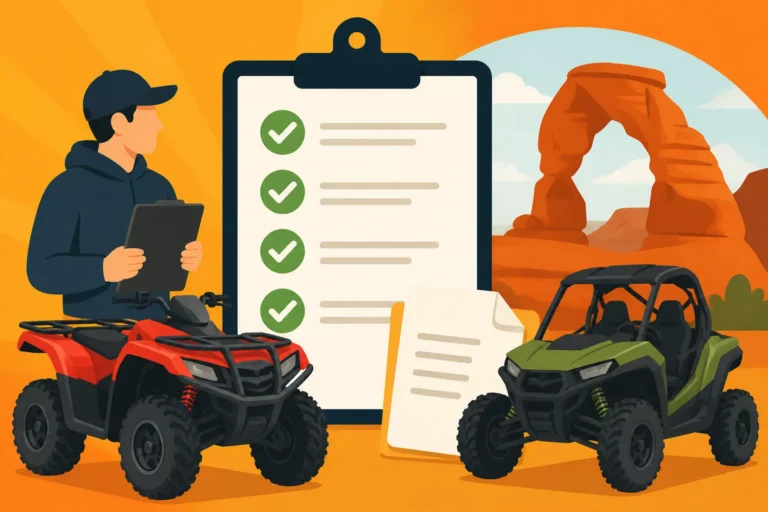
Here’s a general checklist of documents you’ll likely need:
| Document Type | Required for Titling? | Required for Registration? | Notes |
|---|---|---|---|
| Out-of-State Title | Yes | Yes | Original physical title, in your name. |
| Lien Release | If Applicable | If Applicable | If previous loan was paid off but not reflected on title. |
| Bill of Sale | Recommended | Recommended | Especially if title is missing or less clear; consider LawDepot for custom documents. |
| Proof of Residency | Yes | Yes | Utah Driver's License, utility bill, etc. |
| Photo ID | Yes | Yes | Your valid driver's license or state ID. |
| VIN Inspection Form | If Applicable | If Applicable | Completed by law enforcement/DMV. |
| Payment for Fees | Yes | Yes | Check current fees online or by calling DMV. |
Receiving Your New Decals and Registration Card
Once your application is processed and fees are paid, you'll receive a temporary registration document and, eventually, your permanent Utah OHV registration card and decals. The registration card is a critical piece of [What Paperwork Utah Riders Must Carry] with you whenever you're riding your OHV. It's proof that your machine is legally registered in the state.
The decals are equally important. These distinctive stickers signify that your OHV is registered and ready to roll. Utah has specific rules about [Utah OHV Decals and Where They Go]. Generally, they must be displayed prominently on your machine, usually on the front and rear, in a location that is clearly visible. The exact placement can vary slightly depending on whether you have an ATV or a side-by-side. Make sure to affix them properly once they arrive to avoid any issues with trail rangers or law enforcement. The colors and designs change periodically, but the requirement for visible display remains constant.
Common Questions and Troubleshooting for New Utah Residents
Moving to a new state with an OHV can bring up unique questions, especially if your previous state had different rules. It's normal to encounter scenarios that don't quite fit the standard mold, and knowing how Utah handles them can save you a lot of grief.
What If Your Old State Didn't Issue Titles for OHVs?
This is a very common point of confusion and frustration for new Utah residents, especially those with older ATVs or UTVs that came from states where titles were simply not issued for off-highway vehicles, or perhaps only for machines above a certain engine size. Utah, however, generally expects all OHVs manufactured in 1988 or newer to have a title. If you're in this situation, don't despair, but be prepared for a bit more paperwork.
You won't be able to just sail through without a title. The DMV will likely require additional proof of ownership, such as a robust bill of sale (even if it's an old one) and possibly an affidavit of ownership. They might also require a VIN inspection to ensure the machine isn't stolen and to confirm its identity. In some cases, you might be directed to bond the title, which is a process to establish ownership when a clear title isn't available. Understanding [Registering a UTV That Was Never Titled Anywhere] or [Utah's Title Rule for 1988 and Newer Machines] is crucial here. Be patient, bring all the documentation you have, and be ready to explain your specific situation to the DMV staff.
Registering Machines You Only Use on Private Land
Many OHV owners primarily use their machines on their own private property – perhaps for farm work, ranch chores, or simply recreational riding within their fenced acres. The question then becomes: do these machines still need to be registered with the state of Utah? This is a nuance that can catch new residents off guard.
Generally, if your OHV never leaves private property and never crosses any public land or roads, it might not need to be registered with the Utah Division of Parks and Recreation. However, there are very specific caveats to this. For example, if you ever cross a public road, even just to get to another section of your property, or if your property abuts public trails, the rules can change rapidly. It's always safest to check the most current regulations. For detailed information, you might want to look into [Private-Land-Only Machines and Utah Registration]. Many riders find that even if they mostly ride privately, the slight chance of needing to cross a road or access an adjacent trail makes full registration worthwhile for peace of mind.
What About Snowbirds or Part-Time Residents?
Utah is a popular destination for "snowbirds" and part-time residents who spend a portion of the year enjoying the state's incredible landscapes. If you maintain primary residency in another state but own property or spend significant time in Utah with your OHV, the registration rules can feel a little murky. The key often comes down to where your primary residency is established.
If you are a legitimate non-resident, meaning your driver's license, voter registration, and primary tax filings are still in another state, you would typically fall under Utah's non-resident OHV permit rules, not the full resident registration process. This means you'd purchase a non-resident permit annually, which allows you to ride Utah's trails. However, if you establish Utah as your primary residence, even if you travel often, then you're expected to title and register your OHV in Utah as described in this guide. The rules around [Snowbirds and Utah OHV Registration] can be quite specific, so it's always best to clarify your exact situation with the Utah DMV if you're unsure. You don't want to accidentally violate residency requirements and face unnecessary fines.
Disclaimer
This article is for general informational purposes only and does not constitute professional advice. Laws, prices and regulations vary by location and change over time. Consult a qualified professional for guidance on your specific situation.