Can You Register an ATV Online in Utah?
We all love the idea of kicking back on the couch, laptop in hand, and knocking out those bureaucratic tasks. The dream of registering your awesome new ATV or UTV online in Utah, avoiding the lines and the hassle, is a powerful one. You’ve just bought that shiny new side-by-side or a rugged used quad, and the last thing you want to do is spend your precious riding time at a government office. This guide is here to lay out the reality of Utah's OHV registration process, distinguishing what you can accomplish from your living room versus what still requires a trip to the local DMV, and how to make that trip as painless as possible.
The Reality of Utah OHV Online Registration
Let's cut right to the chase, because I know you're eager for a definitive answer: for initial registration of an ATV or UTV in Utah, you generally cannot complete the entire process online. This can be a real bummer, especially when so much of our lives has moved to digital platforms. You might be thinking, "Why can't I just upload my documents and be done with it?" And you're not alone in that frustration.
The Utah Division of Motor Vehicles (DMV) has made great strides in digital services, but the unique nature of off-highway vehicle registration still requires a personal touch for new registrations. This isn't just Utah being old-fashioned; it often comes down to specific legal requirements, particularly concerning vehicle identification and sales tax collection. While you can certainly do some prep work digitally, like researching requirements or even printing out forms, the actual submission of documents, verification of your machine's Vehicle Identification Number (VIN), and the initial payment often necessitates a physical visit. It’s a bit of a hybrid system, where technology helps, but doesn't entirely replace, the face-to-face interaction for first-timers.
However, there's a bright side! If you're a current OHV owner and it's time to renew your registration, that's a different story. [Renewing Your Utah OHV Registration Online] is absolutely a possibility, and it's designed to be much more convenient. So, while buying a new machine means a trip to the DMV, keeping it legal year after year is much simpler.
Why Initial Registration Stays Mostly Offline
The main reasons why you can't just click "submit" for a brand-new ATV or UTV registration boil down to a few critical steps that benefit from an in-person interaction or simply aren't set up for full online execution yet. Think about it: when you buy a car, sometimes the dealer handles everything, but if you're buying privately or from out of state, there are often physical checks involved. OHVs are similar, with their own set of considerations.
First, there's the Vehicle Identification Number (VIN) inspection. For new-to-you machines, especially those bought privately or brought in from out of state, the DMV needs to verify that the VIN on your paperwork matches the VIN on the machine itself. This is a crucial step to prevent fraud and ensure the vehicle isn't stolen. An online system can't perform this physical check, and without it, the state can't confidently issue a new title or registration. You can imagine the headaches if someone tried to register a machine with doctored paperwork.
Second, title transfers often require original documents. If you're buying a used ATV, the seller needs to sign over the title to you. This physical document, with original signatures, is what the DMV needs to officially transfer ownership into your name. While you can sometimes submit scanned documents for other things, a vehicle title is usually treated with a higher level of scrutiny. Getting that clear chain of ownership is paramount for the state. If you're wondering about specifics, [Utah ATV Title Requirements Explained] dives deep into this.
Finally, there's sales tax and uniform fees. When you register a new-to-you OHV, especially one purchased from a private party, Utah requires you to pay sales tax on the purchase price, unless an exemption applies. The DMV collects this tax. Determining the correct amount, ensuring all deductions or exemptions are properly applied, and processing the payment is a complex financial transaction that, for initial registrations, is typically handled at the counter.
Initial Registration: Why You Need to Visit the DMV
So, for that first-time registration, rolling up to the DMV is generally unavoidable. It might feel like a chore, but thinking of it as a one-time initiation rite to fully enjoy Utah's incredible trails can help. The good news is that by knowing what to expect and what to bring, you can make your visit efficient and, dare I say, almost pleasant. Preparation is your best friend here.
The DMV is where all the pieces of your OHV puzzle come together. It's where your ownership is legally established, your machine is officially recognized by the state, and where you get those all-important decals that grant you access to public lands. Without that proper registration, you risk fines and other headaches, which is definitely not how you want to start your riding adventures. Trust me, getting it done right the first time saves a lot of grief down the road.
Gathering Your Essential Documents
Before you even think about heading to the DMV for an initial registration, you need to compile a specific set of documents. Missing even one piece of paper can send you right back home, forcing you to endure another trip – and nobody wants that! This is where thorough preparation pays off.
First and foremost, you'll need the original Certificate of Title for your ATV or UTV. If you bought it from a private seller, ensure the seller has properly signed and dated the title to transfer ownership to you. Mistakes here can void the transfer, so pay close attention to the details on the back of the title. If you bought a brand-new machine from a dealer, they usually handle the title application, but you'll still need the manufacturer's Certificate of Origin (MCO) and the bill of sale they provide. For a deep dive into what's needed for a private sale, check out [Buying a Used ATV in Utah: The Paperwork].
Next, you'll need a Bill of Sale. Even if you have a title, a detailed bill of sale is crucial, especially for private party transactions. It should clearly state the buyer's and seller's names and addresses, the vehicle's make, model, year, and VIN, the purchase price, and the date of sale. Services like LawDepot can be incredibly helpful for generating a professional, legally sound bill of sale form, ensuring all the necessary information is included. This protects both the buyer and the seller and gives the DMV the information they need for sales tax calculations.
Finally, bring your valid driver's license or state-issued ID. This is for identification purposes and to ensure your information is recorded accurately. You'll also need proof of your Utah residency, such as a utility bill or lease agreement if your ID doesn't show your current Utah address. Remember, the DMV is all about verification, so the more complete and accurate your documentation, the smoother your experience will be.
The In-Person VIN Verification
One of the most common reasons an initial registration can't be done online is the requirement for a VIN inspection. This isn't just a quick glance; it’s a necessary security measure. The VIN, or Vehicle Identification Number, is essentially your OHV's unique fingerprint. It distinguishes your machine from every other one out there.
When you bring your ATV or UTV to the DMV (or sometimes an authorized inspection station), a DMV employee will physically locate the VIN on your machine and compare it against the VIN listed on your title or MCO and your bill of sale. This simple but critical step confirms that the documents you're presenting truly belong to the vehicle you're attempting to register. It's a frontline defense against stolen vehicles being illegally registered and helps maintain the integrity of vehicle ownership records in Utah.
Sometimes, particularly if you’ve purchased a machine from out of state or if the title history is a little murky, the DMV might require a more thorough VIN inspection. This can happen with older machines, those that have been rebuilt, or if there's any discrepancy in the paperwork. Don't worry, it's a routine procedure, but it underscores why a physical visit is often necessary. If you're concerned about where to find your VIN, or what to do if it's missing, articles like [Where the VIN Sits on Most Side-by-Sides] can offer some guidance.
Renewing Your OHV Registration Online
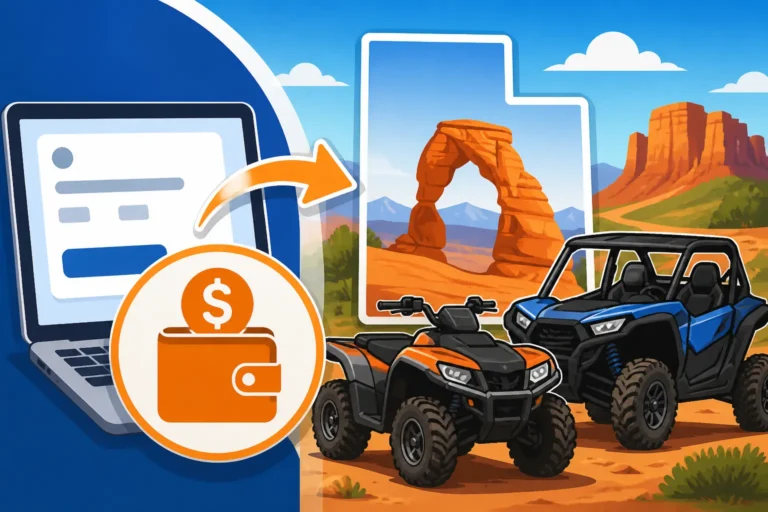
Now, for the good news! Once your ATV or UTV is initially registered in Utah, renewing that registration is typically a breeze, and yes, you can usually do it online. This is where the digital convenience you were hoping for really kicks in. The state wants to make it as easy as possible for you to keep your machines legal, knowing that registered OHVs contribute to trail maintenance and access through their fees.
The online renewal system is designed to be straightforward, allowing you to update your registration from anywhere with an internet connection. No more having to factor in travel time, waiting in line, or adjusting your schedule to fit DMV hours. This flexibility is a huge benefit for busy riders who just want to get back on the trails. It's a system built on the assumption that since the state already has your vehicle's information and its VIN has been verified, subsequent renewals are purely administrative.
The Online Renewal Process Step-by-Step
Renewing your Utah OHV registration online is generally a simple process that can be completed in a few minutes. Here's a typical walkthrough of how it works:
- Receive Your Renewal Notice: The Utah DMV usually mails out renewal notices a few weeks before your registration expires. This notice will contain important information like your vehicle's plate number (which OHVs don't have, but the system uses your registration number) or VIN, and a specific PIN or online access code. It's vital to keep an eye out for this mail. If you don't receive one, don't panic; you can still renew. [Renewing Without the Renewal Notice] is a helpful resource if this happens.
- Visit the Utah DMV Online Portal: Navigate to the official Utah DMV website and look for the "Online Services" or "Renew Your OHV Registration" section. The link is usually prominently displayed.
- Enter Your Information: You'll be prompted to enter information from your renewal notice, typically your vehicle's registration number or VIN and the PIN. This identifies your specific machine in their system.
- Verify Vehicle Details: The system will display your vehicle's information (make, model, year, your name, address). Double-check that everything is accurate. If there are any errors, you might need to contact the DMV directly, but for most renewals, this step is just a confirmation.
- Calculate and Pay Fees: The system will calculate your renewal fees, which include the registration fee and the age-based uniform fee. You'll be able to pay using a credit or debit card. Be aware that there might be a small online transaction fee. [Utah OHV Registration Fees, Start to Finish] breaks down what you can expect to pay.
- Confirmation and Decals: Once your payment is processed, you'll receive an instant confirmation, often via email. Your new registration decals and updated registration card will then be mailed to you, typically arriving within a week or two. You should carry the digital confirmation or a printout until your physical documents arrive. For information on where those new decals go, see [Utah OHV Decals and Where They Go].
It's a pretty smooth system once you're in the groove, allowing you to get your OHV legal again without missing a beat in your busy schedule.
Troubleshooting Common Online Renewal Issues
While online renewal is convenient, sometimes things don't go exactly as planned. It's not uncommon to hit a snag, and understanding potential issues can help you resolve them quickly.
One common hiccup is not receiving your renewal notice. As mentioned, you can still renew. Often, you can use your vehicle's VIN or previous registration number on the DMV website to pull up your records. If you've moved, remember to [Updating Your Address on Utah OHV Records] with the DMV so future notices reach you.
Another issue can arise if your registration has lapsed significantly. If you’re past the grace period, the online system might still allow you to renew, but you could be subject to [Late Renewal on a Utah OHV Registration] penalties. The system will usually calculate these fees automatically, but if you're very far behind, or if there's a hold on your record for some other reason, you might be directed to contact the DMV or visit in person.
Lastly, technical difficulties can always pop up, from website glitches to payment processing errors. If you encounter a problem, try clearing your browser's cache or using a different browser. If the issue persists, the DMV website usually provides a customer service contact number for online services. Having that number handy can save you a lot of frustration. Most of the time, these are minor bumps that are easily overcome, keeping your digital renewal experience mostly positive.
Preparing for Your DMV Visit
Since initial registration almost always requires a trip to the DMV, making that trip as efficient as possible is key. Nobody enjoys spending more time than necessary in a government office, so thinking ahead can make a world of difference. Consider it like staging for a big ride: you wouldn't just jump on your quad and expect everything to go perfectly without checking your gear, right? The same goes for dealing with paperwork.
The goal here is a "one-and-done" visit. You walk in, present your meticulously prepared documents, pay your fees, and walk out with your temporary registration, knowing your decals are on their way. This is entirely achievable with a bit of foresight and organization.
What to Bring to the Utah DMV for an ATV
To ensure your initial registration goes smoothly, compile a checklist of everything you need before you leave the house. Think of it as your "DMV riding pack" – essential gear for navigating the system.
Here's a comprehensive list of documents to bring:
- Original Certificate of Title: This is paramount. Ensure it's correctly signed over to you if you bought a used machine.
- Bill of Sale: A detailed bill of sale is crucial for proving purchase price and for sales tax calculation. As mentioned earlier, using a service like LawDepot to generate a comprehensive form can really streamline this.
- Proof of Sales Tax Paid (if applicable): If you bought your machine from a dealer, they would have likely collected sales tax, and it should be noted on your purchase agreement. For private sales, you'll pay sales tax at the DMV.
- Valid Driver's License or State ID: For identification purposes.
- Proof of Utah Residency: (If your ID doesn't reflect your current Utah address).
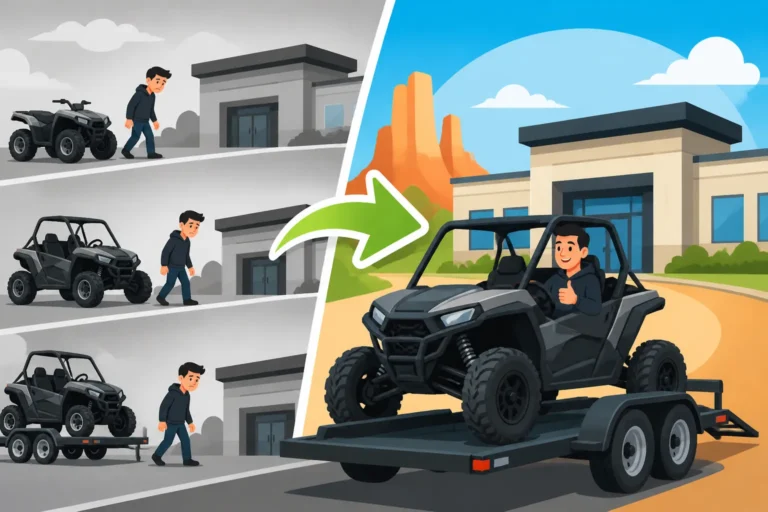
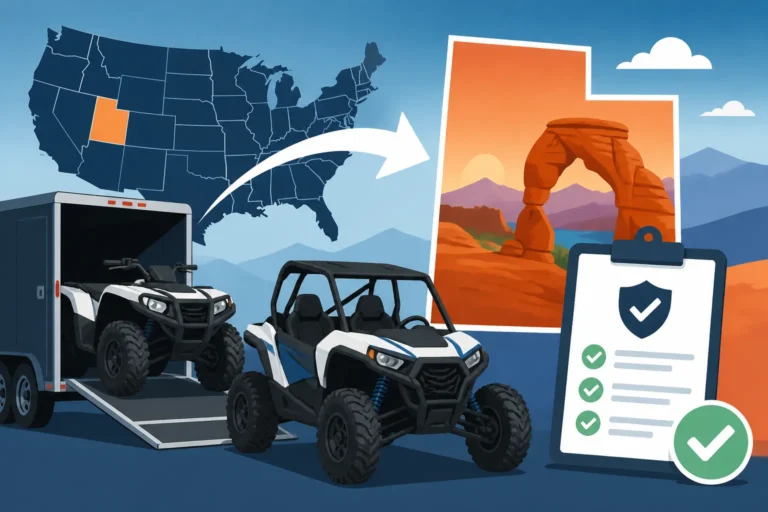
- Your ATV or UTV: Yes, you'll need to bring the actual machine for the VIN inspection. Ensure it's clean enough for the VIN to be easily readable. Don't forget, you can't just drive an unregistered OHV on public roads to get to the DMV, so you'll need to trailer it.
- Method of Payment: Cash, check, or credit/debit card. Be prepared for the full amount of registration fees, uniform fees, and sales tax. While [Paying Utah OHV Fees With a Card Online] is easy for renewals, in person, you'll just pay all at once.
- Any Applicable Exemption Certificates: If you're claiming any exemptions (e.g., [Farm and Ranch Exemptions in Utah OHV Law]), bring the necessary documentation.
Having all these items neatly organized in a folder will present a professional image and help the DMV clerk process your request without a hitch.
Making Your DMV Visit Efficient
Once you have all your documents in order, there are a few other strategies to make your actual visit to the DMV as quick and painless as possible.
Timing is everything. DMVs often have peak hours. Generally, mornings right when they open, and mid-week (Tuesday, Wednesday, Thursday) tend to be less crowded than Mondays, Fridays, or lunchtimes. Check your local DMV's operating hours and consider going during an off-peak time. Some locations even have online queue systems or appointment booking, which can save you a significant wait. [Utah OHV Paperwork on a Saturday] can give you an idea of weekend options, but weekdays are often calmer.
Be patient and polite. DMV staff deal with a lot of people and a lot of paperwork. A friendly demeanor and clear communication can go a long way. Have your documents easily accessible and be ready to answer any questions about your purchase or your machine. If you've used a robust document service like LawDepot to prepare your bill of sale, you'll likely have all the necessary information at your fingertips, making the process smoother for everyone.
Finally, ask for a temporary registration. Once you've paid your fees and submitted all your paperwork, the DMV can usually issue you a temporary paper registration. This allows you to legally ride your OHV while you wait for your official decals and registration card to arrive in the mail. This is a crucial step if you're eager to hit the trails right away, and it's definitely something you want to confirm before you leave the counter. Getting everything done in [One Trip to the DMV Instead of Three] is the ultimate goal!
Disclaimer
This article is for general informational purposes only and does not constitute professional advice. Laws, prices and regulations vary by location and change over time. Consult a qualified professional for guidance on your specific situation.