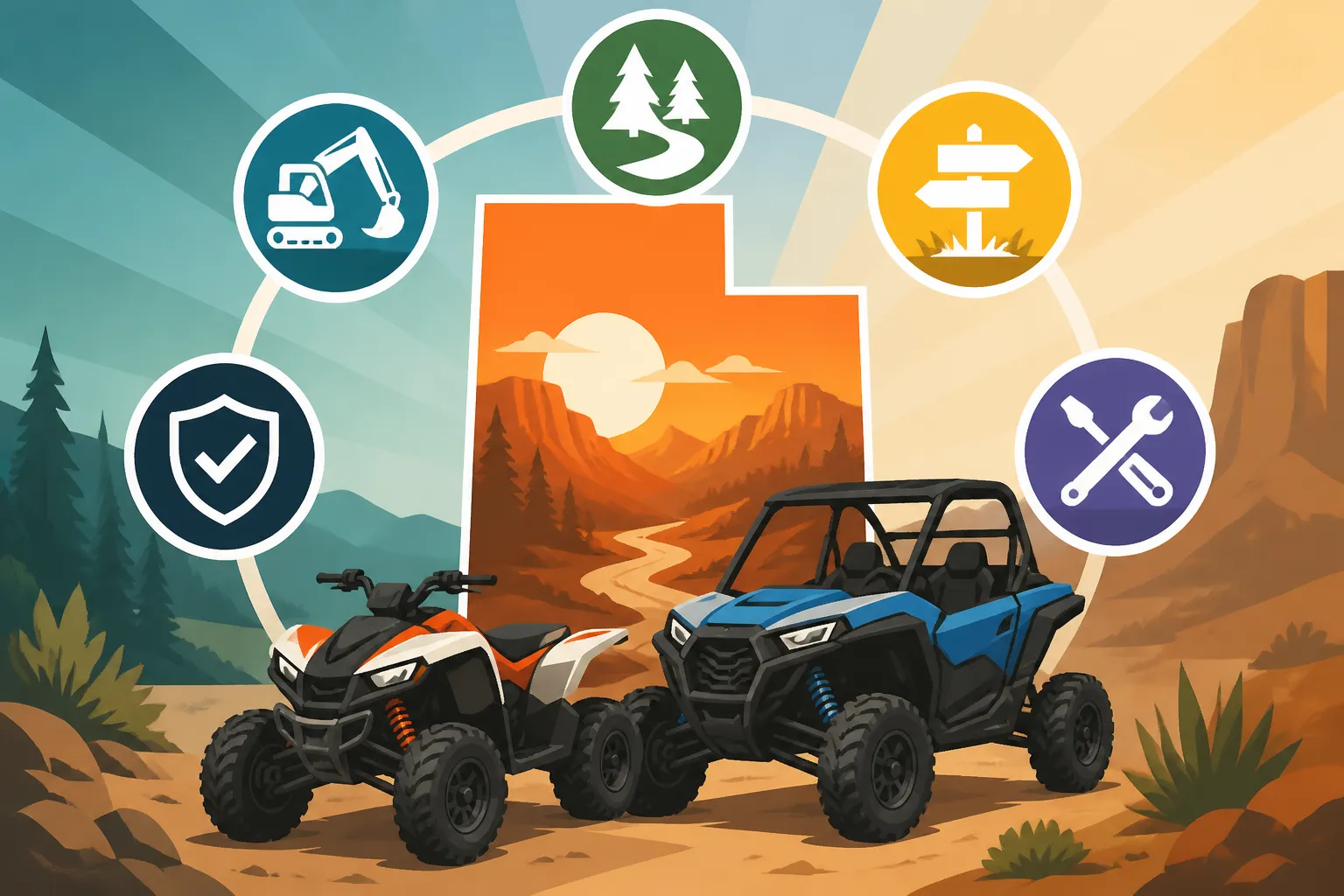
What the Utah OHV Registration Fee Pays For
It's incredibly frustrating when you pay an annual fee for something, like your Utah OHV registration, and it feels like the money just vanishes into the ether. You get a sticker, sure, but what else? Many riders wonder if their hard-earned cash is truly making a difference. This comprehensive guide is here to shed light on exactly where your Utah OHV registration fees go, showing you how your contribution directly supports the trails you ride, the safety programs that protect you, and the future of off-highway vehicle recreation in our amazing state.
More Than Just a Sticker: The True Value of Your Utah OHV Registration
When that registration renewal notice arrives, it's easy to see it as simply another bill, a mandatory cost of doing business to keep your quad or side-by-side legal. You might even grumble a bit about the seemingly small decal that represents your compliance. However, to truly appreciate the value of your Utah OHV registration, we need to look beyond that humble sticker and understand the crucial role these fees play in sustaining our beloved sport. It’s not just about meeting a legal requirement; it’s about investing in the very infrastructure and culture of OHV riding in Utah.
Funding the Foundations of Fun
The most immediate and obvious purpose of your OHV registration fee is to grant you legal access to Utah's incredible network of public lands and trails. Without it, you’re looking at stiff penalties and the risk of impoundment. But that fee is far from just a permit. It's a foundational contribution to a dedicated fund designed to manage, maintain, and enhance the riding experience for everyone. Think of it not as a simple tax, but as a direct reinvestment in the places you love to explore. This financial commitment ensures that Utah can continue to offer some of the most diverse and breathtaking OHV opportunities in the entire country, from the red rocks of Moab to the expansive forests of the Paiute Trail. For a deeper dive into the actual costs, check out [Utah OHV Registration Fees, Start to Finish].
These fees are the cornerstone of a system that ensures our trails remain open, safe, and enjoyable. They prevent the slow decline into disrepair that would inevitably happen without proper funding. Imagine trying to ride a trail overgrown with brush, riddled with washouts, or lacking proper signage – it wouldn't be much fun, would it? Your registration fee helps prevent that scenario, keeping the "fun" in off-highway vehicle recreation by supporting the very grounds we ride on.
The OHV Program's Mission
Utah's Off-Highway Vehicle Program operates with a clear, overarching mission: to ensure safe, responsible, and sustainable OHV recreation across the state. Your registration fees are the lifeblood of this mission, directly funding the initiatives that make it a reality. This includes promoting rider safety through education, preserving our natural resources, and maintaining equitable access to public lands for all types of OHV enthusiasts. It's a delicate balance, and the program works tirelessly to strike it, striving to meet the needs of a rapidly growing OHV community while also protecting the environment.
Every dollar collected helps to fuel programs designed to foster a culture of responsible riding. This isn't just about handing out tickets; it's about education, outreach, and proactive management. The program aims to create an environment where riders understand their impact, follow the rules, and contribute positively to the outdoor community. It seeks to protect the pristine beauty of Utah's landscapes while simultaneously ensuring that the thrill of discovery on four wheels (or three) remains accessible. If you're looking to get your machine registered for the first time, [How to Register an ATV or UTV in Utah] has all the details.
Breaking Down the Budget: Where Your OHV Dollars Go
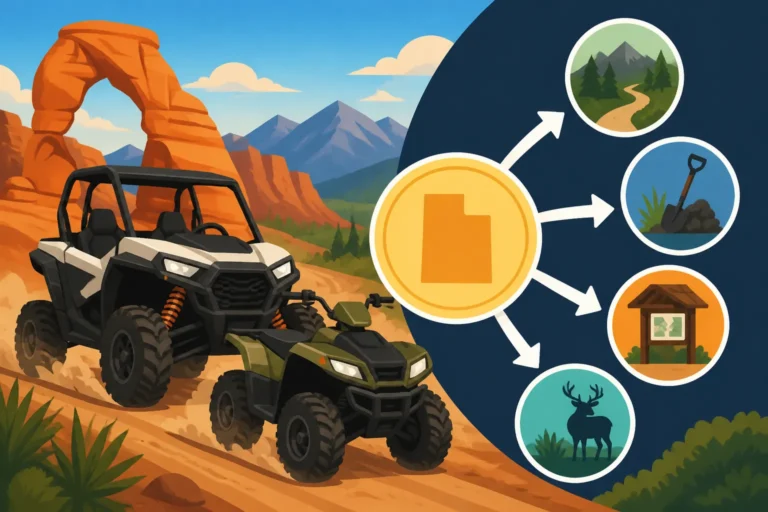
So, where exactly does that money go once it leaves your wallet and enters the state's coffers? The Utah OHV registration fees are funneled into a dedicated OHV Restricted Account. This account is then carefully allocated to various programs and projects, each playing a vital role in enhancing the OHV experience. It’s a transparent system designed to put rider dollars directly back into the riding community. Let's dig into the specifics of how your fees are distributed.
Trail Development and Maintenance
This is arguably one of the most significant beneficiaries of your registration dollars. Maintaining Utah's extensive network of OHV trails is a monumental and ongoing task. Your fees fund everything from the creation of brand-new trails and staging areas to the everyday upkeep of existing routes. This includes grading trails to smooth out rough sections, repairing damage from erosion or heavy use, installing and maintaining signage (which is crucial for navigation and safety), and building bridges or culverts to ensure safe creek crossings.
Beyond the trails themselves, these funds also support the development of critical infrastructure like improved parking areas for your trailers, clean restrooms at popular trailheads, and informational kiosks that provide maps and rules. These amenities drastically improve the quality of your riding experience, making it more convenient and comfortable. The impact of these funds is truly visible on the ground, making your rides smoother and more enjoyable. For a comprehensive look at this, see [Where Utah's OHV Registration Money Goes]. Before you head out, remember that well-maintained trails are easier to navigate, but it's always wise to be prepared, so consider [Checking Utah Trail Conditions Before You Tow].
Rider Education and Safety Programs
Safety is paramount when enjoying OHV recreation, and your registration fees play a critical role in funding education and safety initiatives. These programs are designed to teach riders of all ages responsible riding techniques, trail etiquette, and essential safety practices. This includes funding for the official Utah OHV Education Course, which is mandatory for many younger riders and highly recommended for everyone. The fees help develop course materials, train certified instructors, and provide resources to promote safe riding habits across the state.
These educational efforts extend beyond just formal courses. They also support outreach campaigns, public service announcements, and informational materials aimed at reducing accidents and promoting responsible behavior. The goal is to equip every rider with the knowledge and skills necessary to navigate trails safely, minimize their impact on the environment, and share the outdoors harmoniously with other user groups. Knowing that your fee contributes to these programs can offer peace of mind, fostering a safer environment for your family and fellow riders alike. For information on getting certified, look into [The Utah OHV Education Certificate].
Enforcement and Resource Protection
While education is key, enforcement is also a necessary component of a robust OHV program. Your registration fees help support the presence of law enforcement officers – including local sheriffs, state park rangers, and federal land managers from agencies like the BLM and Forest Service – who patrol OHV areas. Their role is to ensure that riders comply with state laws, local ordinances, and land management regulations. This includes checking for proper registration, enforcing speed limits, ensuring appropriate safety gear is worn, and preventing illegal trail creation or environmental damage.
These patrols are not just about catching rule-breakers; they're also about protecting the natural resources we all enjoy. By curbing irresponsible behavior, these officers help prevent habitat destruction, illegal dumping, and other activities that could lead to trail closures or stricter regulations. Just as platforms like LawDepot help you understand legal agreements for vehicle ownership, these funds ensure the legal framework for our trails is robust and enforced, safeguarding our access for years to come. Understanding the consequences of non-compliance is important; learn more about [Penalties for Riding Unregistered in Utah].
Administration and State Park Support
Like any large-scale program, the Utah OHV fund requires administrative overhead to function efficiently. A portion of your registration fees covers the essential behind-the-scenes work, from managing the complex OHV registration database to printing those annual decals you affix to your machine. This administrative funding ensures that all the necessary paperwork and digital records for millions of OHV user interactions are efficiently managed, making your registration process smoother. Just as a platform like LawDepot provides organized templates for important documents, the administrative funding ensures that all the necessary paperwork and digital records for OHV user interactions are efficiently managed, making your registration process smoother.
Additionally, these fees often contribute to the general operational costs of Utah State Parks and other public lands that provide OHV access. This means your dollars might help maintain facilities within state parks, support park rangers who manage OHV use, or contribute to projects that enhance the overall visitor experience at popular riding destinations. From the physical decals to the digital records, every part of the registration journey is supported by your fee. Curious about decal placement? Check out [Utah OHV Decals and Where They Go].
Here's a simplified breakdown of where your Utah OHV registration fee generally goes:
| Category | Percentage (Approximate) | What it Funds | Examples |
|---|---|---|---|
| Trail Development & Maint. | 50-60% | New trail construction, maintenance, signage, staging areas, bridges, erosion control | Paiute Trail upkeep, Sand Hollow parking lot expansion, Moab trail marking |
| Education & Safety | 10-15% | Rider education courses, safety campaigns, materials, instructor training | OHV Education Certificate program, public safety announcements |
| Enforcement & Resource Prot. | 10-15% | Law enforcement patrols, monitoring, prevention of illegal riding, resource conservation | Sheriff patrols on trails, BLM ranger presence, illegal dump cleanup |
| Administration & Park Support | 10-15% | Registration processing, database management, outreach, general support for OHV-friendly state parks | DMV staff, decal printing, online registration system, State Park facilities |
Note: These percentages are illustrative and can vary based on annual budgets and program needs.
The Tangible Benefits: How Riders Experience the Investment
It's one thing to know that your money is going to an "OHV fund," but it's another to see and feel the direct impact of those dollars. The benefits of your registration fee aren't abstract; they manifest as tangible improvements and protections that enhance every aspect of your riding adventure. From the quality of the trails to the peace of mind you get from a well-managed system, your investment comes back to you in countless ways.
Access to World-Class Trails
Utah boasts some of the most spectacular and diverse OHV trails on the planet. From the iconic slickrock of Moab to the vast interconnected loops of the Paiute Trail, and the exhilarating dunes of Sand Hollow, these experiences are largely accessible because of the consistent funding from registration fees. Without these dedicated funds, many of these trails would simply not exist in their current form, or worse, they might become inaccessible due to neglect or environmental concerns.
Your fee ensures that these public lands are managed for OHV use, often involving complex negotiations and planning with federal land management agencies. It means that when you trailer your machine to a trailhead, you'll find designated parking, clear signage, and a route that has been maintained to provide a safe and enjoyable journey. This investment keeps the gates open and the paths clear, allowing you to create unforgettable memories in Utah's stunning backcountry. To explore more about these incredible places, check out [The Best ATV and UTV Trails in Utah].
Safer and More Enjoyable Riding
Nobody wants to deal with trail hazards, preventable accidents, or conflicts with other users. The education, maintenance, and enforcement efforts funded by your registration fees all contribute to a safer and more enjoyable riding environment for everyone. Well-maintained trails reduce the risk of mechanical breakdowns and rider injuries. Clear signage prevents riders from getting lost or straying onto private land, which can lead to legal issues.
Knowing that there are trained professionals monitoring and managing the trails, and that educational resources are available, creates a more responsible and harmonious riding community. This translates into less stress, fewer incidents, and more pure enjoyment out on the trail. You can ride with greater confidence, knowing that your fees are working to make every outing better. This communal investment in safety and maintenance elevates the experience for casual riders and seasoned adventurers alike.
Protecting Your Future Riding Opportunities
One of the most profound, yet often overlooked, benefits of your OHV registration fee is its role in protecting your future access to public lands. In an era of increasing land use conflicts and environmental concerns, having a well-funded, professionally managed OHV program is crucial for demonstrating responsible stewardship. These funds support conservation efforts, environmental impact studies, and sustainable land management practices that help justify continued OHV access.
By funding responsible management, you help prevent stricter regulations or widespread trail closures that could severely limit where and how you ride. Just as you'd use a service like LawDepot to secure your personal assets or create legally sound agreements, these fees secure the future of our shared public lands for OHV use. Your fee contributes to the long-term health of both the trails and the sport, ensuring that future generations of riders will also have the opportunity to explore Utah's incredible landscapes. It's an investment in legacy and continued adventure.
Beyond the Sticker: Your Fee as an Investment in the OHV Community
Ultimately, your Utah OHV registration fee is more than just a bureaucratic requirement or a simple payment for a sticker. It's a vital investment in the entire OHV community and the future of recreation in the state. By contributing, you're not just paying for your own right to ride; you're supporting an ecosystem that benefits everyone who loves to hit the trails. This communal contribution fosters a stronger, more sustainable environment for off-highway vehicles, enhancing both the recreational and economic landscapes of Utah.
Supporting the OHV Economy
The vibrant OHV culture in Utah fuels a significant economic engine, especially in rural communities. Well-maintained trails, robust safety programs, and clear access policies attract thousands of local and out-of-state riders every year. These visitors spend money on fuel, lodging, food, repairs, and local services, directly supporting small businesses and creating jobs in areas that might otherwise struggle economically. Your registration fee contributes to the infrastructure that makes this tourism possible.
Imagine the impact on trail towns like Marysvale, Moab, or Hurricane if the trails weren't maintained or if access became restricted. The economic ripple effect would be devastating. By supporting the OHV program, your fees indirectly bolster the livelihoods of countless Utahns, demonstrating how recreation and commerce can thrive together when managed responsibly. It’s a testament to how outdoor adventure can be a powerful economic driver.
The Role of Non-Resident Permits
It’s also important to remember that Utah's OHV fund isn't solely supported by resident registration fees. Visitors from out of state also contribute significantly through non-resident OHV permits. These permits, which are mandatory for out-of-state machines operating on Utah's public lands, are funneled into the same OHV Restricted Account. This shared funding mechanism amplifies the collective impact, allowing for larger, more ambitious projects and broader program reach than would be possible with resident fees alone.
This collaboration between residents and visitors ensures that the burden of maintaining Utah's world-class trail system is shared, and that everyone who benefits from these resources contributes to their upkeep. It’s a smart system that recognizes the widespread appeal of Utah riding and leverages it for the collective good. Learn more about how these permits contribute to the fund in [The Utah Non-Resident OHV Permit Explained].
Advocating for Rider Rights
In the complex world of land management, having a strong, well-funded OHV program gives riders a powerful voice. The data collected, the programs implemented, and the professional staff supported by your fees all contribute to Utah's ability to advocate for continued OHV access and sensible regulations. Without this dedicated funding and the programs it supports, the OHV community might find itself with less influence in critical decisions regarding public land use.
These funds support research, outreach, and legislative efforts that help ensure OHV enthusiasts have a seat at the table when important discussions about trail closures, new designations, or environmental protections occur. Understanding the legal landscape, much like creating a durable power of attorney through LawDepot, is crucial for preserving your rights, and these funds contribute to Utah's ability to advocate for OHV enthusiasts. Your annual fee helps ensure that the interests of riders are represented and that future generations will continue to have places to ride.
Disclaimer
This article is for general informational purposes only and does not constitute professional advice. Laws, prices and regulations vary by location and change over time. Consult a qualified professional for guidance on your specific situation.