VIN Inspections for Utah ATV Paperwork
Oh, the joy of finally getting your hands on that awesome ATV or UTV, only to realize the stack of paperwork involved! Among the many boxes to check, the VIN inspection often pops up, leaving many riders scratching their heads, wondering why their perfect machine needs a once-over by law enforcement just to get registered. This guide is here to untangle that mystery, walking you through why, when, and how you'll need a VIN inspection for your off-highway vehicle (OHV) in Utah, making sure you hit the trails without a hitch.
Why a VIN Inspection is Even a Thing for Your OHV
It might feel like just another hurdle when all you want to do is hit the open trails, but a Vehicle Identification Number (VIN) inspection for your ATV or UTV serves some seriously important purposes in Utah. Think of it less as a hassle and more as a crucial step in protecting you and other riders, ensuring everything is above board. It's all about verifying your machine's identity and making sure there are no red flags lurking in its past.
Preventing Theft and Proving Ownership
One of the biggest reasons for a VIN inspection is to combat theft and establish clear ownership. Unfortunately, ATVs and UTVs are hot commodities for thieves, and a VIN inspection helps ensure the machine you're trying to register hasn't been reported stolen. An officer will meticulously check the VIN on the machine itself against the one on your ownership documents. This process acts as a safeguard, protecting innocent buyers from unknowingly purchasing stolen property and helping authorities track down vehicles that have been taken. It's a key part of the puzzle for legitimate ownership, which is something every rider deserves.
Verifying Machine Details for Registration
Beyond theft prevention, the VIN inspection is critical for verifying the actual details of your off-highway vehicle. The inspector isn't just looking at the numbers; they're confirming that the machine physically matches what's described on the title or bill of sale. This includes checking the make, model, year, and often the engine size. This helps the Utah Division of Motor Vehicles (DMV) ensure that the correct information is entered into their system, which is vital for proper registration, calculating fees, and maintaining accurate records. If there's a discrepancy, it's better to catch it now than to have problems down the line when you're already out on the trail.
When Utah Absolutely Requires One
It's not every single time you register an OHV that you'll need a VIN inspection. For routine renewals or simple transfers between family members with a clear Utah title, you typically won't. However, Utah law is very specific about the situations where a VIN inspection is non-negotiable. These usually involve scenarios where the machine's identity or origin needs extra scrutiny. Knowing these specific triggers beforehand can save you a wasted trip to the DMV or a frustrating delay in getting your machine legal. You'll find that these requirements are in place to uphold the integrity of the registration system for everyone.
Scenarios Where You'll Definitely Need a VIN Inspection
The need for a VIN inspection isn't arbitrary; it's tied to specific situations where the state needs extra assurance about your OHV's identity and legality. If you find yourself in any of the following scenarios, consider a VIN inspection a mandatory item on your checklist before you even think about heading to the DMV with your paperwork. Getting it done early can prevent significant delays in your registration process.
Bringing an Out-of-State Machine to Utah
One of the most common reasons riders need a VIN inspection is when they're bringing an ATV or UTV from another state and want to register it in Utah for the first time. Even if you've had it registered for years in California or Arizona, Utah wants to perform its own verification. This ensures that the vehicle meets Utah's standards and that all the paperwork aligns with the machine physically present in the state. It's Utah's way of doing its due diligence, ensuring the machine hasn't been tampered with or has any hidden issues from its previous home. This step is crucial for establishing the machine's legitimacy within Utah's system. [Buying an ATV Out of State and Registering It in Utah] is a great resource if you're in this boat.
Registering a UTV That Was Never Titled Anywhere
This scenario can be a real head-scratcher for many riders. Sometimes, particularly with older machines, utility vehicles, or even certain custom builds, an OHV might legitimately exist without ever having been issued a formal title in any state. Perhaps it was always used on private land, or it came from a state with less stringent titling requirements at the time. When you decide to finally register it in Utah, the DMV needs to create a record for it from scratch. A VIN inspection in this case is absolutely essential to confirm the machine's identity and assign it a proper Utah title. It's about establishing a clean paper trail where none previously existed. You'll definitely want to read up on [Registering a UTV in Utah Without a Title] if this sounds like your situation.
Dealing with a Rebuilt, Salvage, or Homebuilt OHV
If your ATV or UTV has a past involving significant damage, reconstruction, or was simply built from the ground up, a VIN inspection is going to be a requirement. Machines that have been declared "salvage" or "rebuilt" after an accident need a thorough inspection to ensure they're structurally sound and that all components, including the VIN, are correctly accounted for and legal. Similarly, if you've pieced together a custom side-by-side or built an OHV from a kit, the state needs to verify its identity before it can be legally registered. This is especially true for safety and liability reasons, making sure the machine is safe for use on public lands. For more details on this, check out [Registering a Rebuilt or Salvage UTV in Utah].
When the Original Title is Missing or Questionable
Lost titles are a common headache, and if you're trying to register an OHV in Utah without its original title, you'll likely face a VIN inspection requirement. This situation often arises when purchasing a used ATV privately and the seller can't produce a clear, original title, or if your own title has simply gone missing over the years. The inspection acts as a verification step, helping the state ensure that despite the missing paperwork, the machine itself is legitimate and not stolen. It also helps to establish a clear chain of ownership for future transactions. If you're replacing a lost title, even if the machine is already registered to you, a VIN inspection might be part of the process, ensuring the correct VIN is associated with your replacement document. This process helps the DMV issue a new title with confidence. You can find more information on [Replacing a Lost ATV Title in Utah] to prepare yourself.
Who Can Perform a VIN Inspection in Utah?
So, you've figured out you need a VIN inspection. Great! Now, who exactly can perform this official verification for your off-highway vehicle in Utah? It's not just anyone with a clipboard and a keen eye. Utah has specific authorities authorized to conduct these inspections, and knowing who they are will save you a lot of time and potential frustration. Don't try to get your buddy, even if he's a certified mechanic, to do it – it simply won't be accepted by the DMV.
Authorized Law Enforcement Officers
The most common and widely accepted way to get a VIN inspection for your ATV or UTV in Utah is through a law enforcement officer. This includes officers from the Utah Highway Patrol, county sheriff's departments, and municipal police departments. These officers are trained to identify legitimate VINs, spot signs of tampering, and verify that the machine matches its documentation.
The process often involves calling your local police department or sheriff's office non-emergency line to inquire about their VIN inspection services. Some departments might have specific days or times they offer inspections, while others might schedule appointments. In some rural areas, an officer might even be able to come to your location, especially if the OHV isn't road legal to be driven to a station. Always confirm their availability and any associated fees or requirements when you call. They'll typically fill out a specific form, like a "Vehicle Identification Number Inspection Certificate," which you then take to the DMV.
Designated DMV or DLD Personnel
While law enforcement is the primary go-to, in some specific instances, certain personnel at the Utah Division of Motor Vehicles (DMV) or the Driver License Division (DLD) might be authorized to perform VIN verifications, especially if the machine is already present at their facility for other paperwork. This is less common for full VIN inspections that involve checking for tampering or verifying out-of-state machines, but more for simple VIN verification against existing records.
It's usually best to assume you'll need a law enforcement inspection first. However, if you're already at a DMV office for other complex transactions, it doesn't hurt to ask if they can perform an on-site verification if required for your specific situation. Just be prepared for them to likely direct you to a police station or a UHP office for the official stamp of approval. Don't expect to just roll up to any DMV office and get this done; always call ahead to the specific location you plan to visit.
What About Private Inspectors or Dealers?
This is where a lot of confusion can creep in. Unlike some states where certified private businesses or dealerships can perform VIN inspections, in Utah, for the purposes of new registration or title changes requiring a VIN inspection, only authorized law enforcement or specific DMV/DLD personnel are generally accepted.
A dealership might verify a VIN for their own sales records or to ensure they're selling a legitimate machine, but that internal verification typically won't satisfy the state's requirement for a mandatory VIN inspection for registration. So, while your dealer is a fantastic resource for sales and service, don't rely on them for the official VIN inspection paperwork you'll need for the state. If they offer to "inspect" it, clarify if that means they'll provide the specific form signed by a state-approved authority that the DMV requires. More often than not, you'll still need to visit law enforcement after you leave the dealership, even if you picked up your new machine from them.
The Step-by-Step Process of Getting Your OHV Inspected
Alright, you know why and who needs to do the inspection. Now, let's talk about the practical "how." Getting your ATV or UTV's VIN inspected in Utah doesn't have to be a daunting task if you know the steps and come prepared. A little foresight can turn a potentially frustrating experience into a quick checkmark on your registration journey.
Preparing Your Machine and Paperwork
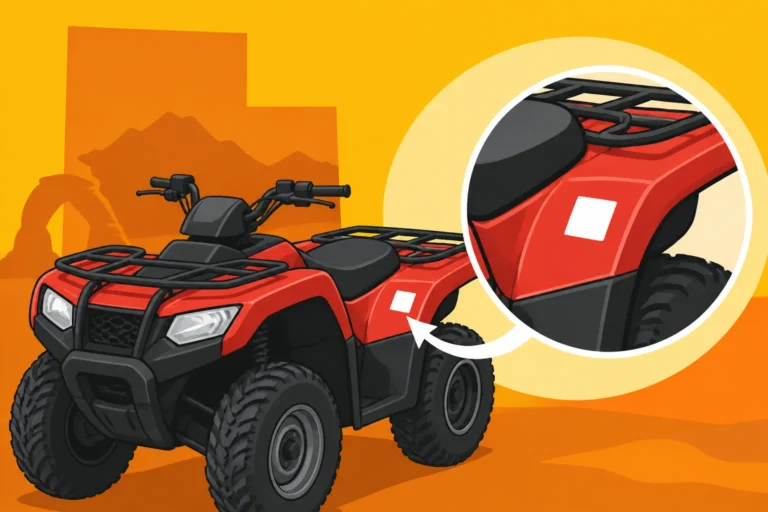
Before you even think about contacting law enforcement or heading to an inspection site, you need to get your machine and your documents in order. This is where most people either save themselves a headache or create one. First, make sure your ATV or UTV is accessible and clean enough for the VIN to be easily located and read. Mud, dirt, or aftermarket accessories obstructing the VIN plate will only delay the process. It's a good idea to know [Where the VIN Sits on Most Side-by-Sides] before you go.
Next, gather all your relevant ownership documents. This could include:
- The existing title (if you have one, even if it's out-of-state or branded salvage).
- A bill of sale, especially if you just purchased the machine. LawDepot offers excellent customizable bill of sale templates that ensure all the necessary information is included, which can be super helpful in these scenarios.
- Your personal identification (driver's license or state ID).
- Any previous registration cards.
- If it's a rebuilt or homebuilt, bring any receipts for major components or documentation of the build process.
Having everything neatly organized will impress the inspector and make their job much easier, speeding up your process considerably.
What the Inspector Looks For
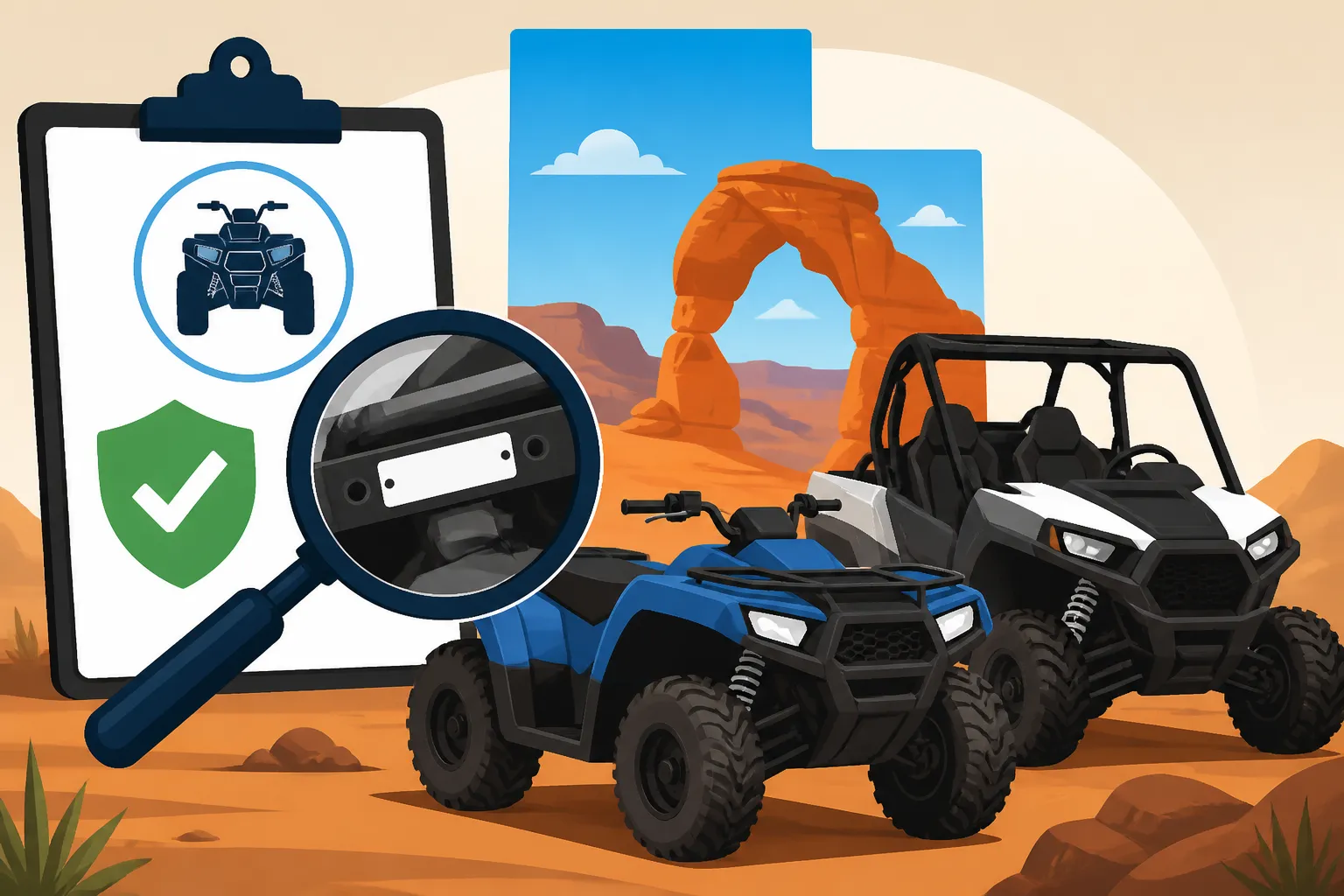
During the actual inspection, the officer or authorized personnel will be looking for a few key things to ensure everything is legitimate. First and foremost, they'll locate the primary VIN on the frame of your ATV or UTV. They'll meticulously compare this number to the VIN listed on your title, bill of sale, or any other accompanying documentation. This is where precision matters.
They're also trained to look for any signs of tampering. This could include grinding marks, re-stamped numbers, or evidence that a VIN plate has been removed and replaced. These signs could indicate a stolen vehicle or an attempt to obscure its true identity. While they're not performing a full mechanical inspection, they will generally verify that the machine's make, model, and year align with the VIN information. For instance, they won't expect to see a VIN for a 2020 Polaris RZR on what is clearly a 1995 Honda FourTrax. Once satisfied, they will complete and sign the required VIN inspection form, which is your golden ticket to the DMV.
What Happens After a Successful Inspection
Congratulations, your ATV or UTV has passed its VIN inspection! The officer will provide you with the completed, signed, and usually stamped VIN inspection certificate. This document is crucial, so treat it like gold. It’s the official proof that your machine’s identity has been verified by the state.
Your next step is to take this certificate, along with all your other required paperwork (such as your title, bill of sale, and proof of identification), to your local Utah DMV office. The VIN inspection certificate will be a mandatory piece of your application for registration or titling, especially if you're doing something like registering a machine that's new to Utah or one that previously had a salvage title. Without it, the DMV simply won't process your request in those specific circumstances. Make sure you also have your [Utah ATV Title Requirements Explained] handy and a valid form of payment for any applicable fees. This signed document is the final step before you can submit your full application to get your OHV legally on the trails.
Common Pitfalls and How to Avoid Them
Even with a clear understanding of the process, things can sometimes go sideways with VIN inspections. It's easy to overlook a small detail that can turn a straightforward task into a frustrating delay. Being aware of these common pitfalls can help you navigate the process smoothly and get your OHV registered without unnecessary headaches.
Dealing with a Missing VIN Plate
This is perhaps one of the most stressful situations a rider can face: realizing your ATV or UTV has a missing or unreadable VIN plate. Whether it's rusted away, damaged in an accident, or simply never had a clearly stamped VIN (which can happen with very old or custom machines), this presents a significant hurdle. Without a verifiable VIN, the state can't legally identify your machine.
If you encounter this, don't panic, but be prepared for a more involved process. The first step is to consult with the DMV or a law enforcement agency to understand your specific options. You might need to provide additional documentation, such as extensive bills of sale (perhaps even from previous owners, which can be generated using a service like LawDepot to ensure completeness), past registration records, or detailed photos to establish the machine's history and identity. In some rare cases, the state might issue a new VIN, but this is a complex procedure often involving additional inspections and fees. The key is proactive communication with the authorities, and for more specific guidance, read up on [What to Do About a Missing VIN Plate].
When Your VIN Doesn't Match the Paperwork
Imagine showing up for your inspection, proud of your machine, only for the officer to point out that the VIN on the frame doesn't quite match the one on your title or bill of sale. This mismatch can be a major red flag and will immediately halt your registration process. Common causes include clerical errors by a previous owner or dealer, or in more serious cases, could indicate a fraudulent title or a stolen vehicle.
If this happens, your immediate action should be to determine the source of the discrepancy. If it's a clear typo, you might need to contact the previous seller or the issuing authority of the title to get it corrected. If you suspect fraud or theft, you'll need to cooperate fully with law enforcement. It’s critical to get the correct VIN onto the correct paperwork before any registration can proceed. Always perform a thorough check of the VIN on any machine you buy against the accompanying documents before money changes hands, and consider using a service to run the VIN to check for theft records. [Running a VIN on a Used UTV Before You Pay] is a crucial read here.
Inspections for Modified or Custom Machines
Utah loves its custom builds and highly modified OHVs, but these machines can sometimes complicate the VIN inspection process. If you've taken two machines and built one, or extensively modified a frame, or are trying to register a kit machine, the inspector will be paying close attention. They need to ensure that the primary VIN (if one exists) is still intact and readable, and that the modifications haven't compromised its legality or safety in a way that would prevent registration.
For heavily modified or homebuilt machines, be prepared to provide as much documentation as possible: receipts for major components, photos of the build process, and a clear explanation of how the machine was constructed. The inspector needs to be confident that the machine is legitimate and not an attempt to conceal a stolen frame or engine. While Utah wants to get you on the trails, they also need to maintain safety and legal standards for all vehicles. If your machine is a true custom, you might find specific instructions in articles like [Registering an ATV Built From Two Machines].
Table of Common VIN Inspection Scenarios in Utah
To help clarify when you'll most likely need a VIN inspection versus when you probably won't, here's a quick overview. Remember, this is a general guide; always confirm with the Utah DMV or law enforcement if you're unsure about your specific situation.
| Scenario | VIN Inspection Required? | Notes |
|---|---|---|
| Bringing an OHV from another state | Yes | Utah requires verification of out-of-state machines for first-time Utah registration. |
| Registering a UTV that was never titled | Yes | To establish a new title record in Utah for a machine without previous title documentation. |
| Rebuilt, Salvage, or Homebuilt OHV | Yes | Essential for verifying structural integrity, component legality, and establishing a new or corrected title. |
| Lost Original Title (for new owner) | Likely Yes | Often required to verify the machine's identity and prevent fraud when replacing a lost title during an ownership transfer. |
| Lost Original Title (current owner) | Possibly, inquire | If you're the current registered owner and simply lost your title, it may be needed to confirm identity before a duplicate title is issued. |
| Buying a used OHV with current Utah title | No | If the seller provides a clear, valid Utah title, a VIN inspection typically isn't needed for a simple transfer. However, always run the VIN to be safe. |
| Renewing an existing Utah OHV registration | No | Routine renewals usually do not require a VIN inspection, as the machine's identity is already established in the system. |
| Transferring an OHV between family members | No | If you have a clear Utah title, family transfers typically don't require an inspection. A bill of sale (like one from LawDepot) is still recommended. |
Disclaimer
This article is for general informational purposes only and does not constitute professional advice. Laws, prices and regulations vary by location and change over time. Consult a qualified professional for guidance on your specific situation.