Camping Fees Beside Utah Riding Areas
Camping fees near Utah riding areas depend on campground type; confirm site, access and OHV charges separately before you travel.
Your sticker stops at the state line.
Non-resident permits, what they cost and how long they last, and which states honor each other’s — or, increasingly, none at all.
Camping fees near Utah riding areas depend on campground type; confirm site, access and OHV charges separately before you travel.

Paying Sand Flats fees without cash takes a little planning: verify accepted methods, carry a backup, and keep area entry separate from Utah permits.
Senior rates at Utah State Parks may reduce some admission costs, but they do not replace OHV permits, registration or separate riding-area fees.
Annual pass math for weekly Utah ATV and UTV riders: compare covered day-use visits with separate OHV permits, fees and exclusions.
A Utah state park pass can save repeat entry costs at participating parks, but it does not replace OHV permits or fees at other riding areas.

Cost of Sand Hollow entry per vehicle depends on park and OHV fees; check whether your tow vehicle, trailer, and each machine are charged separately.
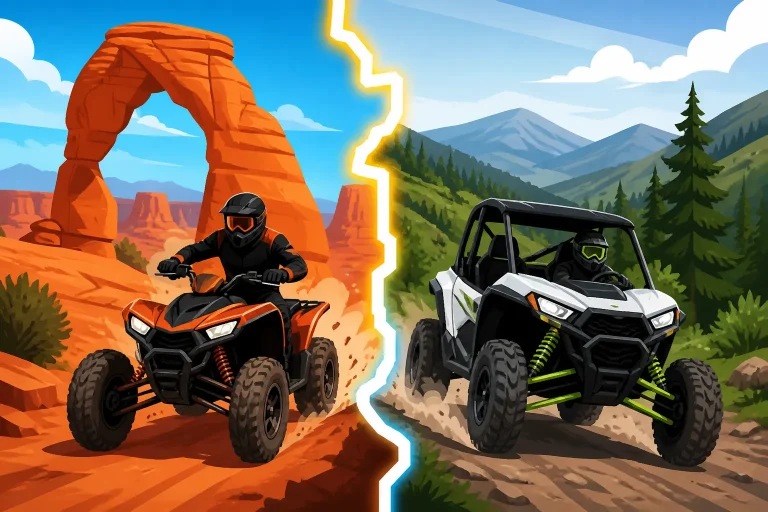
Crossing state lines mid-trail can change OHV permit, registration, rider, and land-access rules; check every state and route before riding.

Riding from Utah into Arizona in one day takes more than current registration: check Arizona OHV rules, route access, land permits, and road legality first.
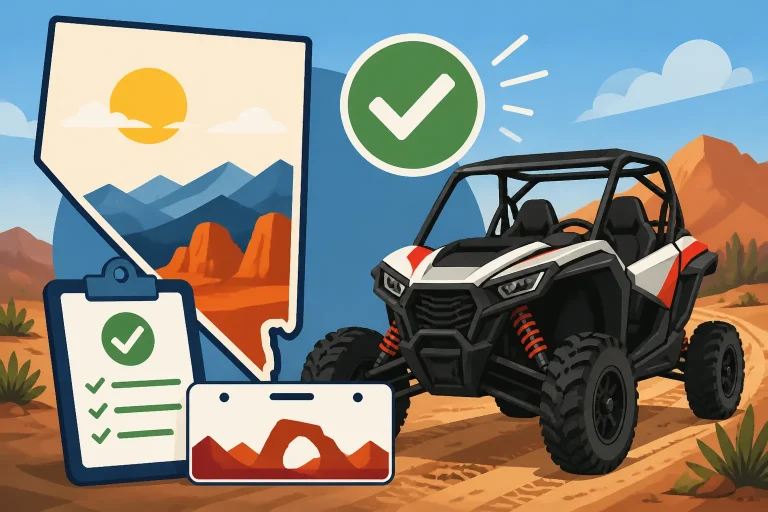
Nevada Permits for a Utah-Plated Machine explains when Utah OHV registration may suffice and what to check before riding Nevada trails.
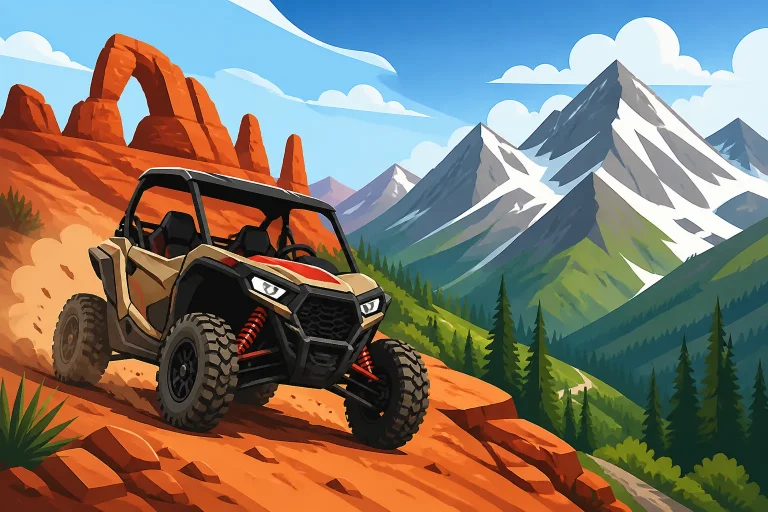
Taking a Utah UTV to Colorado’s high country means checking Colorado permits, route access, road legality, and seasonal closures before you tow.