Goggles Instead of a Windshield in Utah
It’s a truly exhilarating feeling, isn't it? That wide-open, wind-in-your-face freedom you get when you're out on the trails with your ATV or UTV. But then, the thought of making your machine street legal in Utah comes up, and suddenly you’re picturing a big, bulky windshield blocking all that glorious open air. Many riders wonder if they have to sacrifice that feeling, or if there's a way to keep the wind in their hair (or, more accurately, around their helmet) while still meeting Utah's requirements for eye protection. This guide is here to clear up that exact question, helping you understand your options and choose the best path for your street-legal adventures.
Understanding Utah's Eye Protection Rules for Street-Legal OHVs
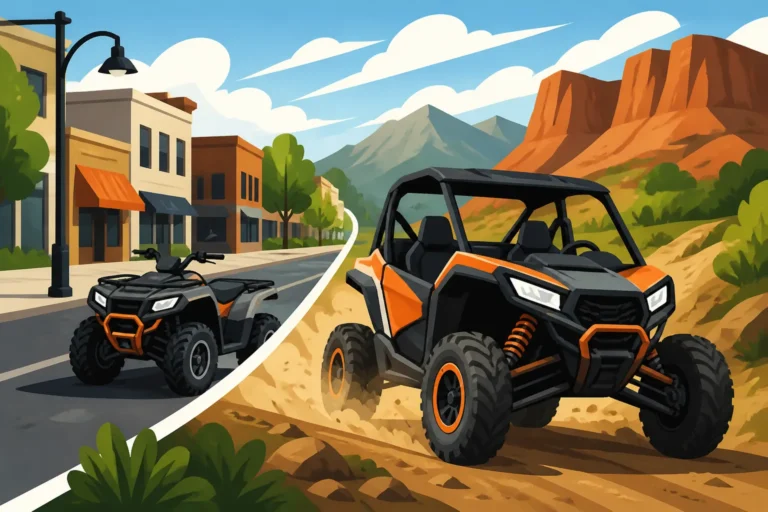
When you decide to take your beloved side-by-side or quad from the dirt trails to the paved roads of Utah, you quickly realize there are new rules of the road to follow. One of the most frequently asked questions revolves around what kind of protection you need for your eyes. The good news is, Utah law provides a bit of flexibility here, understanding that off-highway vehicles offer a different experience than a typical car.
The Letter of the Law: What Utah Says About Eye Protection
Utah’s regulations for street-legal OHVs are quite specific, but they also offer alternatives. The core of the requirement is that you, as the operator, and any passengers must have adequate eye protection. This isn't just a suggestion; it's a safety measure designed to prevent debris, bugs, or sudden gusts of wind from impairing your vision while you're sharing the road with other traffic. Imagine hitting a bee at 45 mph without eye protection – it's not just uncomfortable, it's dangerous.
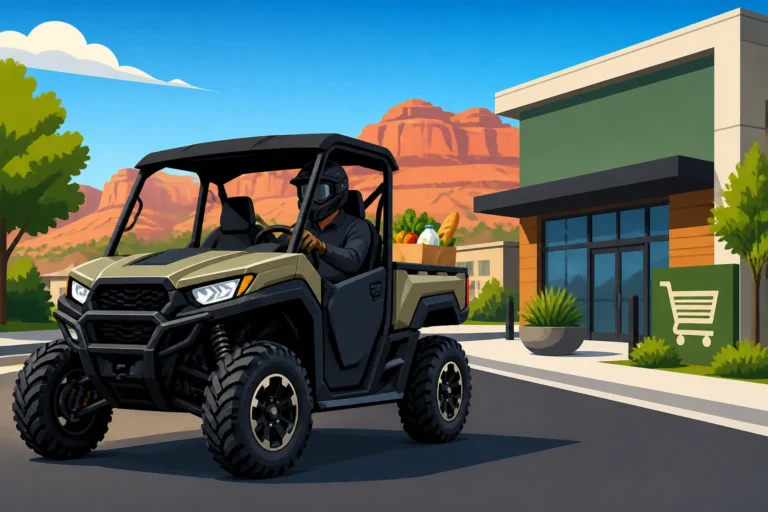
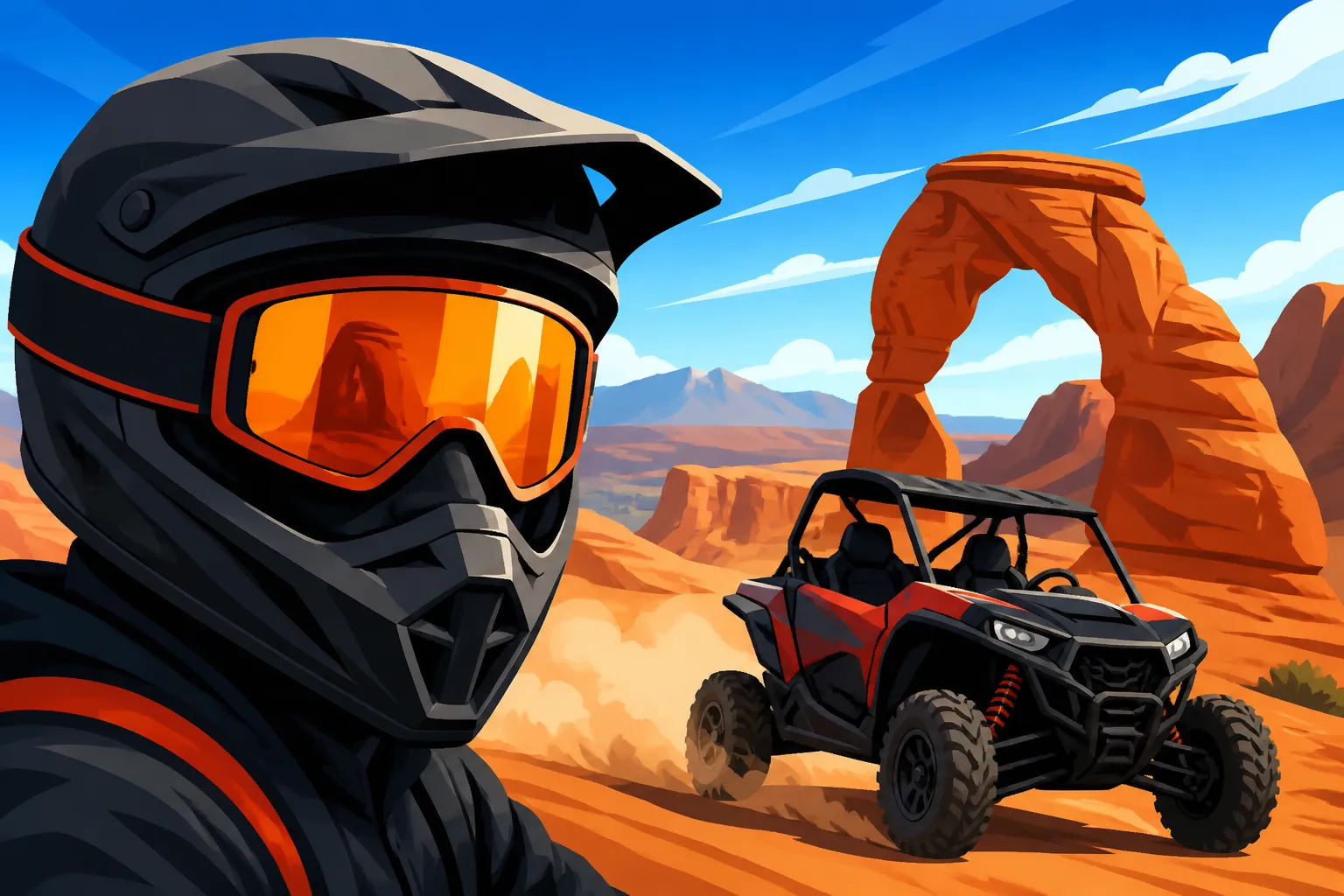
The law typically states that if your off-highway vehicle is not equipped with a windshield, then the operator and all passengers must wear eye protection. This means goggles, safety glasses, or a helmet with a face shield. The key takeaway here is that a windshield isn't strictly mandatory if you provide an alternative form of eye protection. This is a huge relief for riders who cherish that open-air sensation. It means you can still feel connected to the environment around you, even when cruising down Main Street in Moab or heading out of Kanab toward Coral Pink Sand Dunes. You won't be required to get a full [Utah Street-Legal ATV Equipment Requirements] list that mandates a fixed windshield.
The Purpose Behind the Rule: Safety First
It might seem like just another hoop to jump through, but the eye protection rule is genuinely for your safety and the safety of your passengers. On the open road, especially at higher speeds, small projectiles like pebbles kicked up by other vehicles, insects, or even just dust from the roadside can become serious hazards. Without adequate eye protection, a momentary obstruction of your vision could lead to a serious accident.
Beyond projectiles, the constant wind can cause your eyes to dry out, making them tear up and blur your vision. This is particularly true when you’re riding at 40-50 mph on a paved road, which is very different from the slower speeds and intermittent wind exposure you get on a dusty trail. So, while you might be thinking about the cool factor, the state is thinking about keeping you safe enough to enjoy many more rides. The intention isn't to diminish your experience but to ensure it's a safe one, whether you're taking your UTV for a quick run to the gas station or embarking on a long ride on approved county roads. This applies to all riders, from the seasoned veterans to those still completing their [The Adult OHV Education Course in Utah].
Goggles vs. Windshields: Pros, Cons, and Practicality
So, you know you need eye protection, and a windshield isn't the only way. Now comes the choice: do you go with the traditional windshield, or embrace the goggles-and-go lifestyle? Both have their advantages and disadvantages, and what works best really depends on your personal riding style, the conditions you typically ride in, and your budget.
The Case for Goggles: Embracing the Open Air
Choosing goggles over a windshield is often about preserving the pure off-road experience as much as possible, even when you're on pavement.
Pros of Goggles:
- Unobstructed View and Open-Air Feel: This is the big one! With goggles, you maintain that panoramic, open-cockpit feeling that makes riding an OHV so unique. You're more connected to your surroundings, feeling the breeze and smelling the desert air. There's no scratched or dirty plexiglass to look through, which can sometimes distort your view or create annoying reflections, especially in varied lighting conditions.
- Better Ventilation (Often): While a windshield blocks direct wind, it can also create a warmer cockpit, especially on hot Utah summer days. Goggles, paired with proper airflow around your helmet, can offer better ventilation, keeping you cooler and reducing helmet fogging.
- Easier Cleaning and Replacement: Goggles are generally much easier to clean on the go. A quick wipe, or even carrying an extra pair of lenses, is far simpler than trying to clean a large, dirty windshield in the middle of a trail ride or a roadside stop. If a goggle lens gets scratched or damaged, replacing just the lens is usually inexpensive compared to buying a whole new windshield.
- Versatility for Mixed Riding: If you spend most of your time on trails and only occasionally venture onto street-legal routes, goggles offer a seamless transition. You wear them on the dirt, and you continue to wear them on the asphalt. This prevents the hassle of removing or installing a windshield every time you change environments.
Cons of Goggles:
- More Exposure to Elements: While the open-air feel is great, it also means you're more exposed to rain, cold wind, and dust. A sudden downpour can be quite miserable without a windshield to deflect some of it. Similarly, riding in colder weather or at higher speeds will be much chillier.
- Dust and Debris Can Still Get In: While goggles protect your eyes directly, fine dust can still swirl into the cab, getting into your hair, ears, and coating your clothes. A windshield, even a half-windshield, does a much better job of deflecting general dust and small debris away from the entire cab.
- Requires Consistent Wearing: You must remember to wear them and keep them on whenever you're on a public road, or you risk a ticket for failing to have proper eye protection. This can be a minor annoyance if you're frequently stopping and starting or if you have passengers who aren't used to wearing them.
- Potential for Fogging: In certain conditions, especially with humidity changes or exertion, goggles can still fog up. While many modern goggles have anti-fog coatings, it's still a possibility.
The Case for a Windshield: Comfort and Protection
Many riders opt for a windshield for its overall protection and comfort, even if it means sacrificing some of that open-air feel.
Pros of a Windshield:
- Superior All-Weather Protection: A windshield offers excellent protection from rain, wind, and cold, making rides in less-than-ideal weather much more comfortable. It also significantly reduces dust and debris entering the cab, keeping you and your passengers cleaner.
- Reduced Wind Fatigue: Long rides, especially at higher speeds, can be tiring with constant wind buffeting. A windshield significantly reduces this, leading to a more relaxed and enjoyable experience for both driver and passengers.
- No Need for Goggles (Usually): With a full windshield, you generally don't need additional eye protection like goggles, though some riders still prefer them for very dusty conditions or personal comfort. This means one less piece of gear to remember.
- Integrated Solutions: Many aftermarket companies, including well-known names like SuperATV, offer a wide range of windshield options. You can find full, half, folding, and even vented windshields that are designed to integrate seamlessly with your specific UTV model, providing both protection and style.
Cons of a Windshield:
- Reduced Open-Air Feel: This is the primary trade-off. A windshield fundamentally alters the open nature of an OHV, making the experience more like riding in a small, open-sided car.
- Visibility Issues: Windshields can get dirty, dusty, scratched, or wet, impairing visibility. They also reflect light, which can be distracting. Cleaning a large windshield on the trail can be cumbersome, and deep scratches are permanent.
- Heat Retention: In hot weather, a full windshield can trap heat in the cab, making it uncomfortably warm. While vented options exist, they don't fully mitigate this.
- Cost and Installation: Windshields, especially quality ones from brands like SuperATV, can be a significant investment. Installation can also be more involved than simply putting on a pair of goggles.
- Potential for Glare: Depending on the material and angle, windshields can sometimes create glare, especially from low sun angles or oncoming headlights at night.
Here’s a quick comparison table to help weigh your options:
| Feature | Goggles | Windshield |
|---|---|---|
| Open-Air Feel | High (full exposure) | Low (protected enclosure) |
| Primary Eye Protection | Excellent, direct eye coverage | Indirect, deflects before reaching eyes |
| Weather Protection | Minimal (eyes only) | Excellent (rain, wind, cold) |
| Dust/Debris to Cab | High | Low |
| Visibility Issues | Can fog up, but direct view otherwise | Can get dirty, scratched, glare, reflections |
| Cleaning Ease | Easy to wipe, replaceable lenses | More effort, scratches permanent |
| Cost (Initial) | Generally lower | Generally higher |
| Installation | None (just wear them) | Can be involved, requires tools |
| Versatility | Great for mixed riding | Better for comfort on road, less "off-road" feel |
| Requires Helmet? | Often paired with open-face helmet | Can be used with any helmet, or none if enclosed |
Ultimately, the choice comes down to personal preference. Many riders find that quality goggles provide sufficient protection for street-legal use without taking away from the essential off-road feel they love. [Windshield or Eye Protection in Utah] goes into more detail on specific requirements.
Mixing and Matching: The Best of Both Worlds?
Some riders get creative. They might install a half-windshield, which offers some deflection from dust and wind, particularly for the lower body and chest, while still leaving the upper part of the cabin open. This combination often allows you to still wear goggles for direct eye protection while enjoying some of the benefits of a partial shield. This approach can be a good compromise for those who want a bit more comfort than just goggles but don't want the full enclosure of a complete windshield. Remember that if you have a half-windshield, you'll still need to wear eye protection, as it doesn't provide complete coverage.
Choosing the Right Goggles for Utah's Diverse Riding Conditions
If you've decided that goggles are your preferred route for street-legal compliance and trail enjoyment, the next step is to choose the right pair. Utah's landscapes are incredibly diverse, from the red dust of Moab and Sand Hollow to the pine forests of the Uintas, and your goggle choice should reflect that.
Features to Look For in Quality OHV Goggles
Not all goggles are created equal. When you're picking out a pair that will serve you well on the street and the trail, consider these features:
- Impact Resistance: This is paramount. Your goggles need to protect your eyes from flying debris, whether it's a rock chip from a passing car or a branch on the trail. Look for lenses made from polycarbonate, which is known for its high impact resistance.
- UV Protection: Utah's sun can be intense, especially in the higher elevations or open desert. Ensure your goggles offer 100% UV-A and UV-B protection to safeguard your eyes from harmful rays.
- Anti-Fog Coating/Ventilation: Fogging is a common frustration. Many quality goggles come with anti-fog coatings on the lens. Additionally, good ventilation systems (foam vents, dual-pane lenses) help to minimize fog buildup, especially when you're exerting yourself or moving between temperature zones.
- Lens Tint and Swappability: Different lens tints are better for different light conditions. Clear lenses are great for cloudy days or night riding. Tinted or mirrored lenses reduce glare in bright sun. Photochromatic (light-adjusting) lenses offer versatility. The ability to easily swap lenses is a huge bonus for adapting to Utah's varied riding environments – you might want a clear lens for early morning street rides and a dark one for midday desert trails.
- Comfort and Fit: Goggles should fit snugly but comfortably around your face and with your helmet. Look for multi-layer face foam that wicks away sweat and creates a good seal to keep dust out. A silicone-backed strap will help keep them in place on your helmet.
- Durability: You want goggles that can stand up to the rigors of off-road riding. Look for sturdy frames and high-quality construction.
Adapting to Utah's Environments
Let's think about some specific Utah riding scenarios:
- Moab and Southern Utah (Dusty, Bright Sun): For the red dust and intense sun of Moab or Sand Hollow, you'll want goggles with excellent dust-sealing capabilities and a strong UV-protective, dark-tinted or mirrored lens. Having tear-offs or roll-offs can also be incredibly useful for quickly clearing your vision from mud or heavy dust bursts on the trails. Remember, even if you’re driving on the street through Moab, the dust from the shoulders can be significant.
- Mountain Trails (Varied Light, Cooler): Riding in the Uinta or Fishlake National Forests means more shaded trails, sudden light changes, and potentially cooler temperatures. A photochromatic lens or easily swappable clear and medium-tint lenses would be ideal here. Good anti-fog features are also crucial due to potential humidity and temperature swings.
- Night Riding (Street-Legal Focus): If you plan to ride your street-legal OHV at night, whether on a trail or paved road, a clear lens is absolutely essential. Any tint will severely reduce your vision in low light. Ensure your helmet also meets requirements for [Headlights and Tail Lamps Utah Requires].
Brands like SuperATV, while perhaps more known for larger accessories like lift kits and windshields, also often carry or recommend various types of protective gear, including different kinds of eyewear or accessories that complement goggle use. When you are looking for those crucial items that enhance your street-legal UTV, consider researching their offerings.
Remember, eye protection is one of the easiest parts of your [A First-Time Buyer's OHV Paperwork Checklist in Utah] to get right before hitting the road.
Beyond Eye Protection: Other Street-Legal Gear Considerations
While we're focusing on eye protection, it's important to remember that making your OHV street legal in Utah involves several other crucial components. Choosing goggles instead of a windshield means you've met one requirement, but there are more pieces to the puzzle.
Essential Street-Legal Equipment
To legally operate your OHV on public roads in Utah, you'll need to ensure it's outfitted with specific equipment. This includes:
- Headlights and Tail Lamps: These must be functional and visible from appropriate distances. Make sure they meet brightness and visibility standards.
- Turn Signals: You’ll need front and rear turn signals to indicate your intentions to other drivers, just like any other vehicle on the road.
- Mirrors: At least one mirror is required, mounted to provide a clear view to the rear of the vehicle. Many riders opt for two mirrors (one on each side) for better situational awareness. [Mirrors Utah Requires on Both Sides] offers more details.
- Horn: A working horn is necessary for signaling and alerting others.
- Brake Lights: These need to illuminate when you apply the brakes.
- License Plate Light and Mount: Your license plate needs to be illuminated at night, and mounted securely in a visible location.
- Muffler/Exhaust: Your exhaust system must be quiet enough to comply with local noise ordinances. A spark arrestor is also usually required for off-road use, but for street legal, it's primarily about noise limits.
- Speedometer: Knowing your speed is crucial for obeying posted limits. [Speedometers and Night Riding in Utah] covers this in more detail.
- Tires: While not always considered "equipment," your tires need to be DOT-approved for street use if you're frequently on paved roads. Off-road-only tires might not handle pavement safely or legally.
Ensuring all these components are up to snuff is vital, not just for passing a potential [Utah's Street-Legal ATV Inspection, Step by Step] but for your safety and the safety of others. Failing to have proper equipment can lead to fines and may even get your ride impounded if a trooper deems it unsafe for road use.
Registration and Permits
Beyond the physical modifications, don't forget the administrative side of things. Your OHV still needs to be registered with the state of Utah, and you'll receive a specific license plate and decal for street-legal use. This is separate from, or in addition to, your standard OHV registration if you plan to use it on trails as well. Keep all your documentation, including proof of insurance, readily accessible while riding. [What Paperwork Utah Riders Must Carry] is a good read.
Deciding between goggles and a windshield for your street-legal Utah OHV is a personal choice with valid reasons for both. What matters most is that you prioritize safety and comply with all state regulations. Whether you prefer the raw, open-air experience with a quality pair of goggles or the enhanced comfort and protection of a windshield, having your machine properly equipped and registered means you're ready to explore the vast and incredible landscapes of Utah, both on and off the pavement.
Disclaimer
This article is for general informational purposes only and does not constitute professional advice. Laws, prices and regulations vary by location and change over time. Consult a qualified professional for guidance on your specific situation.